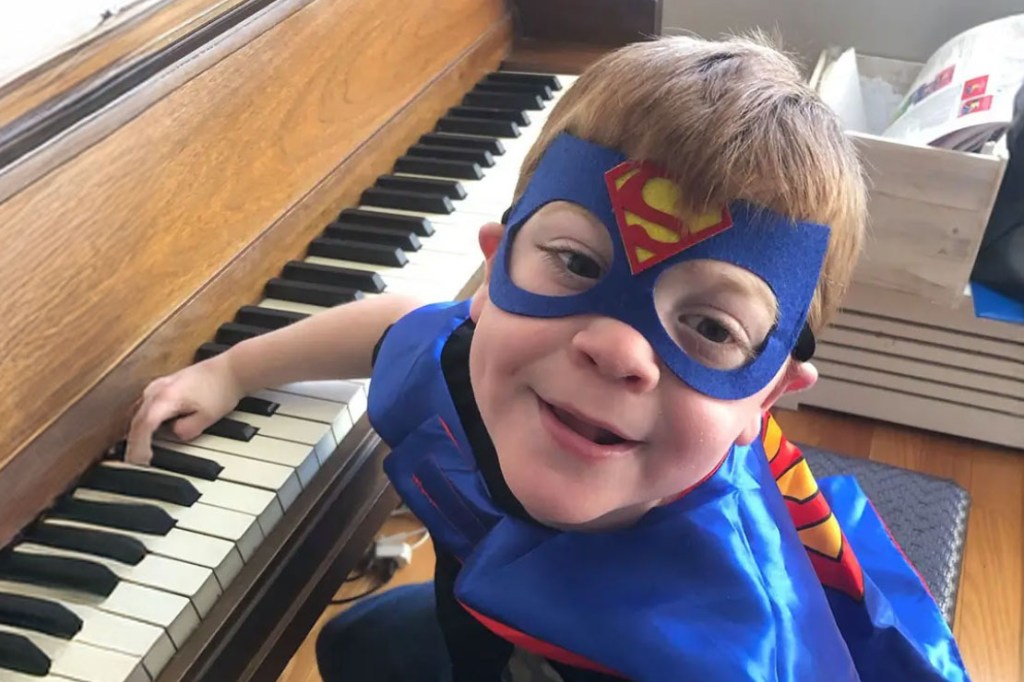
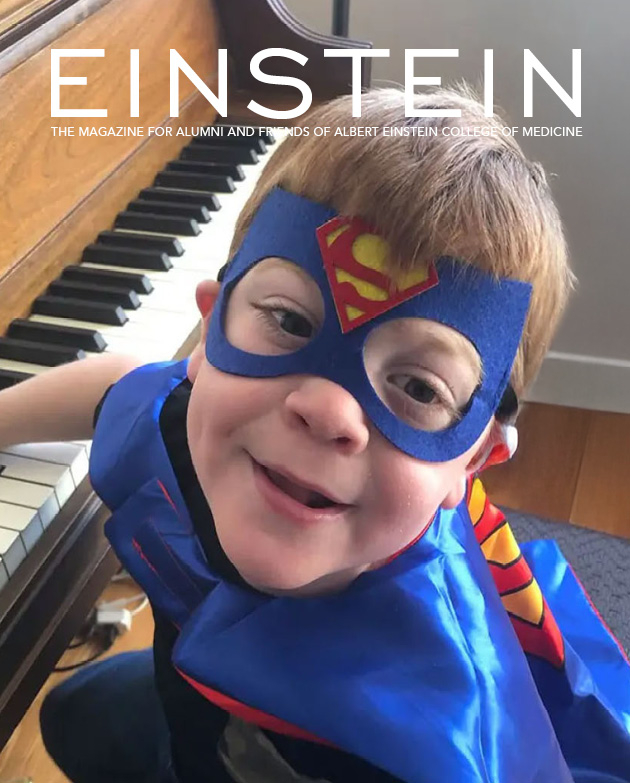
A New York couple’s nightmare journey through the healthcare system began when their baby was just a few months old. “Ben started missing his developmental milestones,” says his mom, Jessica Foglio. “He couldn’t chew, he couldn’t sit up, and then he was misdiagnosed with cerebral palsy.”
Ben’s physicians ultimately figured out that he had an ultra-rare neurodevelopmental disorder known as Salla disease, stemming from a defect in a gene called SLC17A5. But the doctors had no idea how to treat him and seemed to have little interest in trying.
Through a family friend, Jessica and her husband, Mike, found their way to Steven Walkley, D.V.M., Ph.D., then-director of Einstein’s Rose F. Kennedy Intellectual and Developmental Disabilities Research Center (IDDRC). While he wasn’t able to offer a cure, Dr. Walkley could offer some hope. He assembled a team of experts in neurodevelopmental disorders, including Montefiore pediatricians and Einstein basic scientists and trainees. They met with the Foglios to learn about their experience with Ben, explain what was known about Salla disease and how variants in the SLC17A5 gene might be causing it, and discuss with the family possible treatments and avenues for research.
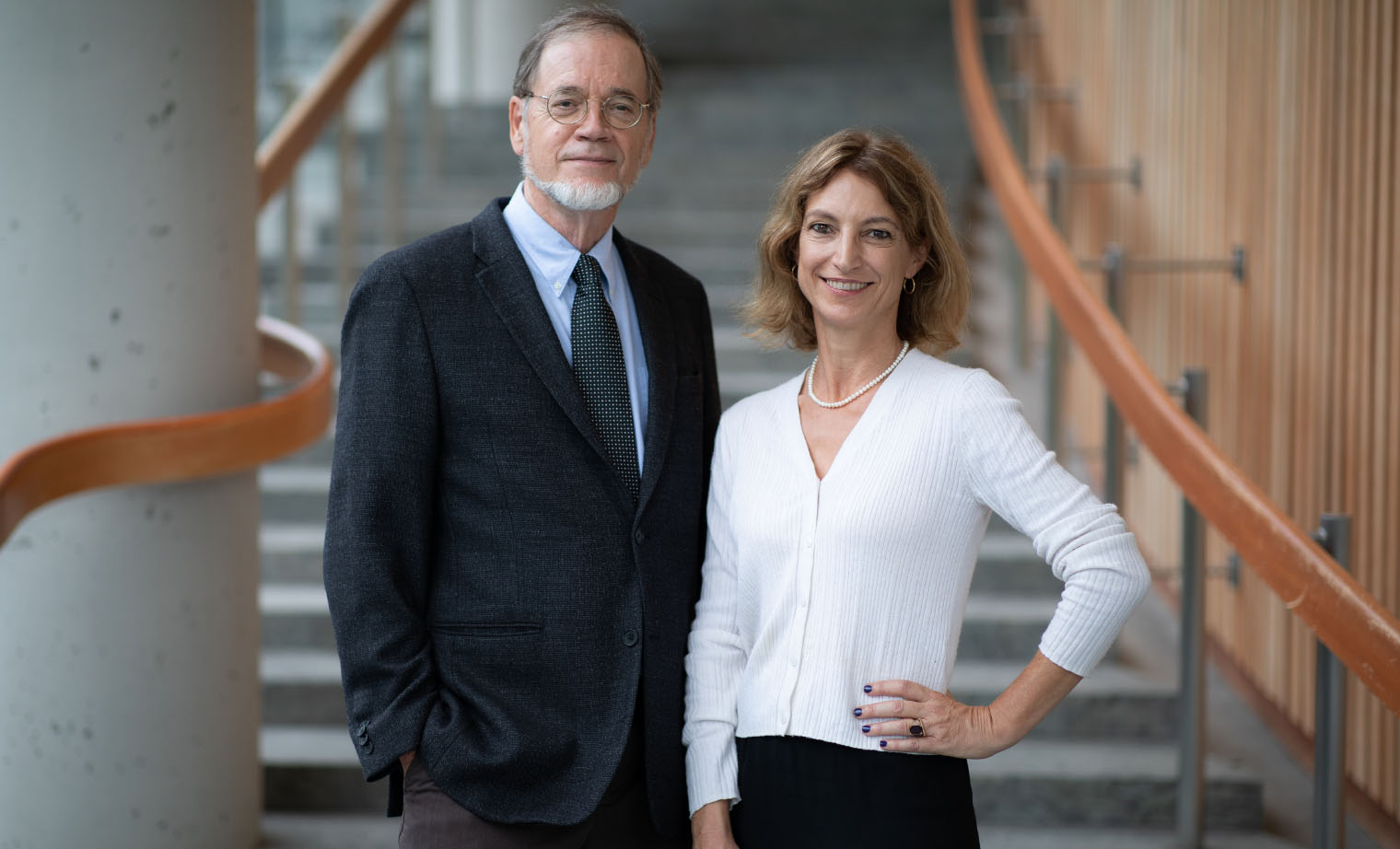 Steven Walkley, D.V.M., Ph.D., and Sophie Molholm, Ph.D.
The Foglios didn’t yet know it, but they were helping pioneer an approach to caring for children with rare neurodevelopmental diseases: Operation IDD Gene Team.
“Our work often begins by giving a name to a child’s disease, ending a family’s diagnostic odyssey,” says Sophie Molholm, Ph.D., director of the IDDRC. “The Foglios had a name for Ben’s disease but little else. From there, our task was to help the family figure out what comes next. Everyone has a seat at the table in our Gene Team meetings—we’re all working toward the same goals, and we’ve moved past the old idea that doctors hold all the answers. Families have a lot to tell us, and their insights are essential to the process.”
“First and foremost, families want to know if there are treatments,” adds Melissa Wasserstein, M.D., Ben’s geneticist at Montefiore and a professor of pediatrics and of genetics at Einstein. “Unfortunately, that’s usually not the case. But we can help families address their children’s immediate medical needs, prepare for future ones, and investigate opportunities to join clinical trials. We can also help with family planning. Many parents would like to have more kids but want to understand the risks to future children. And we also connect families with a supportive community, including other families struggling with the same condition, which is tremendously empowering.”
Jessica, a Juilliard-trained opera singer, interrupted her career to care for Ben, who is now 10 years old. She says the shift in care was like the difference between night and day. “There was love. There was kindness,” she says.
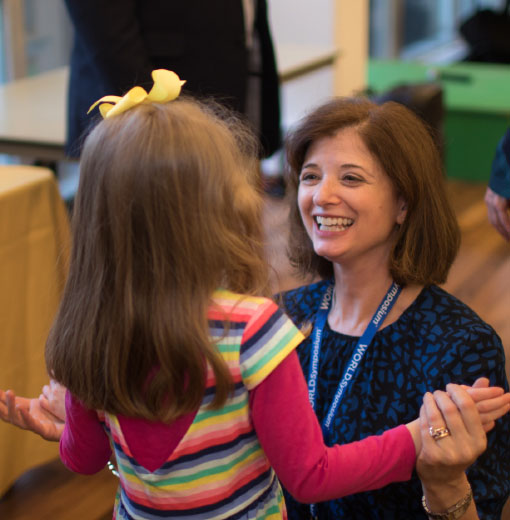 Melissa Wasserstein, M.D., interacts with a young patient.
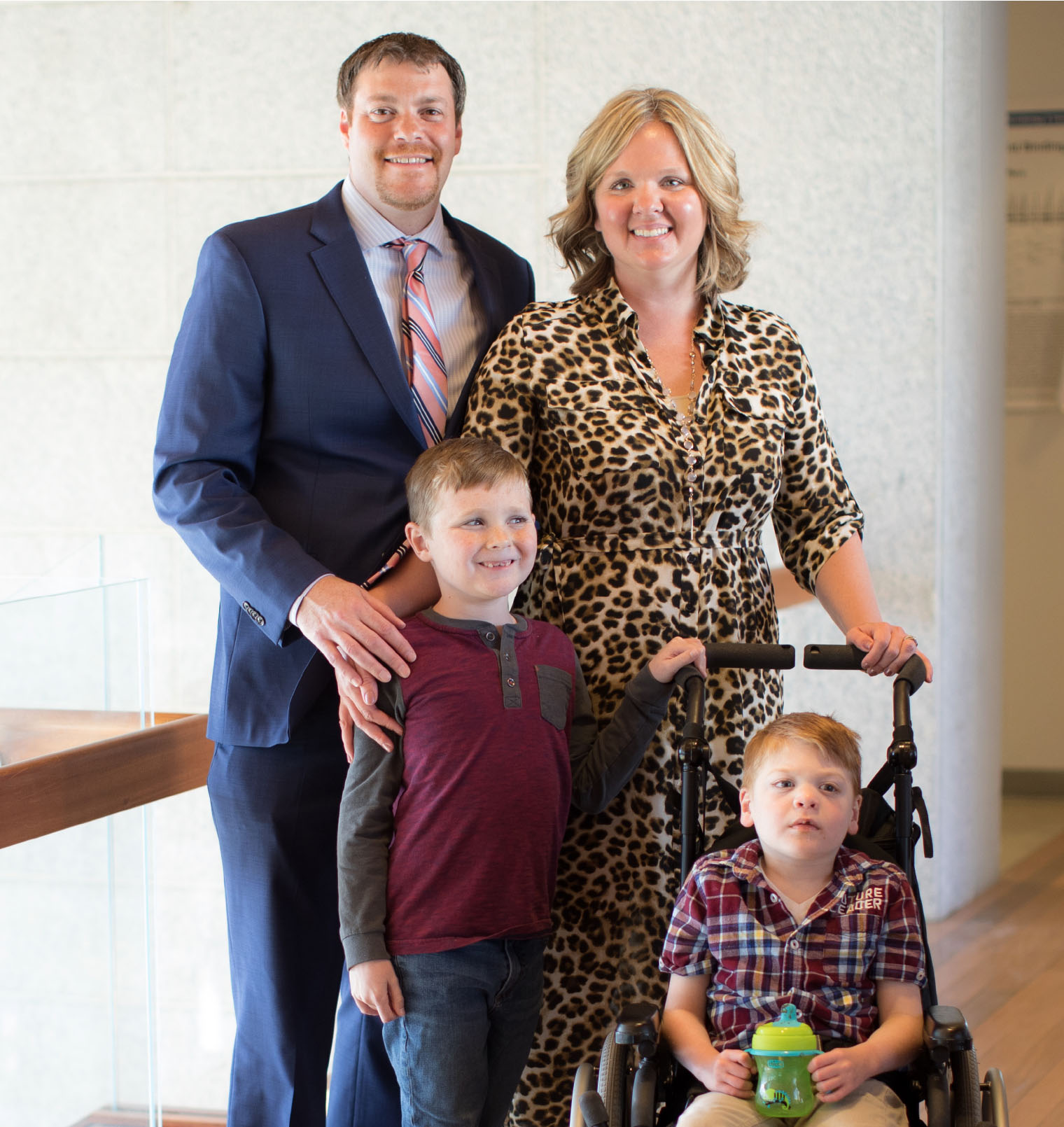 Mike and Jessica Foglio with a younger Ben, seated, and his big brother Michael.
Although Ben’s disease is rare, his situation is not. According to the National Institutes of Health (NIH), there are as many as 10,000 rare diseases (defined as those affecting fewer than 200,000 Americans), involving tens of millions of people worldwide. Only a small percentage of those diseases is currently treatable.
“The Gene Team is our response to these overwhelming numbers,” says Dr. Molholm, who is also a professor of pediatrics and of psychiatry and behavioral sciences, a professor in the Dominick P. Purpura Department of Neuroscience, and the Muriel and Harold Block Faculty Scholar in Mental Illness in pediatrics. “Everyone dealing with a rare disease deserves this type of care.”
The Gene Team’s genesis can be traced to Robert Marion, M.D., a distinguished university professor emeritus of pediatrics and of obstetrics & gynecology and women’s health and a former IDDRC investigator. He had suggested to Dr. Walkley that families struggling with rare diseases would appreciate meeting with experts in the field—even if definitive answers weren’t available.
“I was a little skeptical, but Bob was absolutely right. It can change lives,” says Dr. Walkley, who formalized the Gene Team concept in 2017, when he and colleagues met with the Foglios. Since then, the IDDRC has assembled teams for 12 different rare diseases.
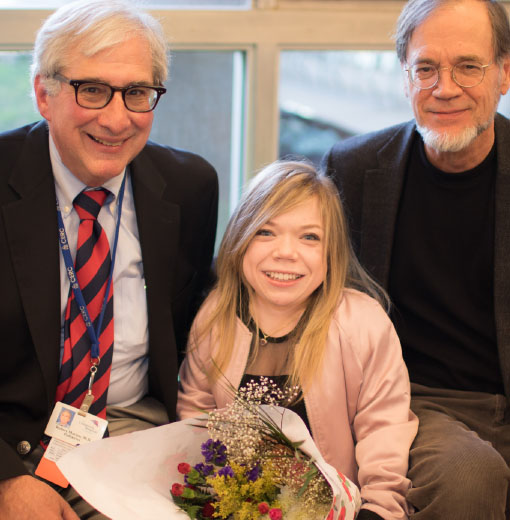 Robert Marion, M.D., left, with patient Alena Galan and Dr. Steven Walkley in 2018.
The change was dramatic in the Foglios’ case. During the first Gene Team meeting with Jessica and Mike, Dr. Walkley suggested that they might want to start a patient-advocacy group—for their own benefit and for the Salla disease community at large. The couple initially demurred, overwhelmed by it all, but the idea struck a chord. Two months later, they began laying the groundwork for the Salla Treatment and Research (STAR) Foundation. Jessica used her music connections to organize fundraising concerts and, in a matter of months, the foundation was off and running.
—Dr. Steven Walkley
Since its inception in 2018, the STAR Foundation has connected with 90 Salla disease families and three dozen researchers worldwide. Studies funded by the foundation have led to the development of the first mouse model for Salla disease that fully replicates the human disorder; and researchers are testing promising drug compounds in both the mouse model and a zebrafish model with financial support from STAR.
In 2024, STAR won a coveted five-year, $800,000 grant from the Chan Zuckerberg Initiative and became part of the initiative’s Rare As One (RAO) network, which helps build and cultivate connections among parent-led foundations such as STAR.
After participating in a Gene Team at Einstein, two other families have created similar organizations: Amy and Chris Robl, founders of the KDM5C Advocacy, Research, Education, and Support (KARES) Foundation, and Lisa and Mike Manaster, founders of the CACNA1A Foundation, both of which advocate for families and raise funds to underwrite research. Like the STAR Foundation, the CACNA1A Foundation was also awarded a major grant from the Chan Zuckerberg Initiative as part of the RAO network.
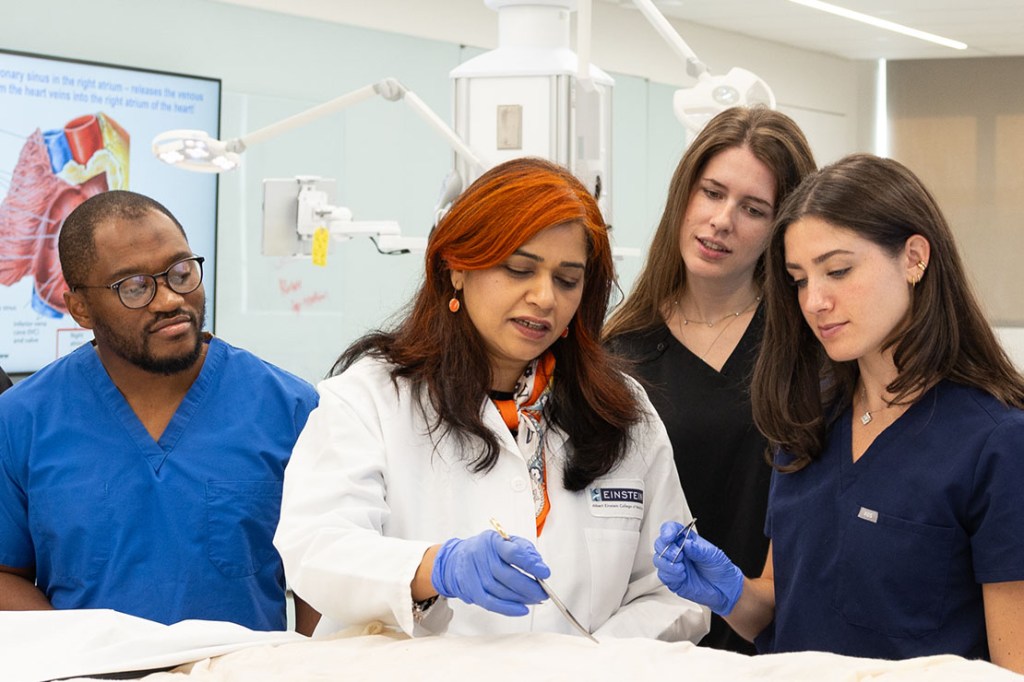
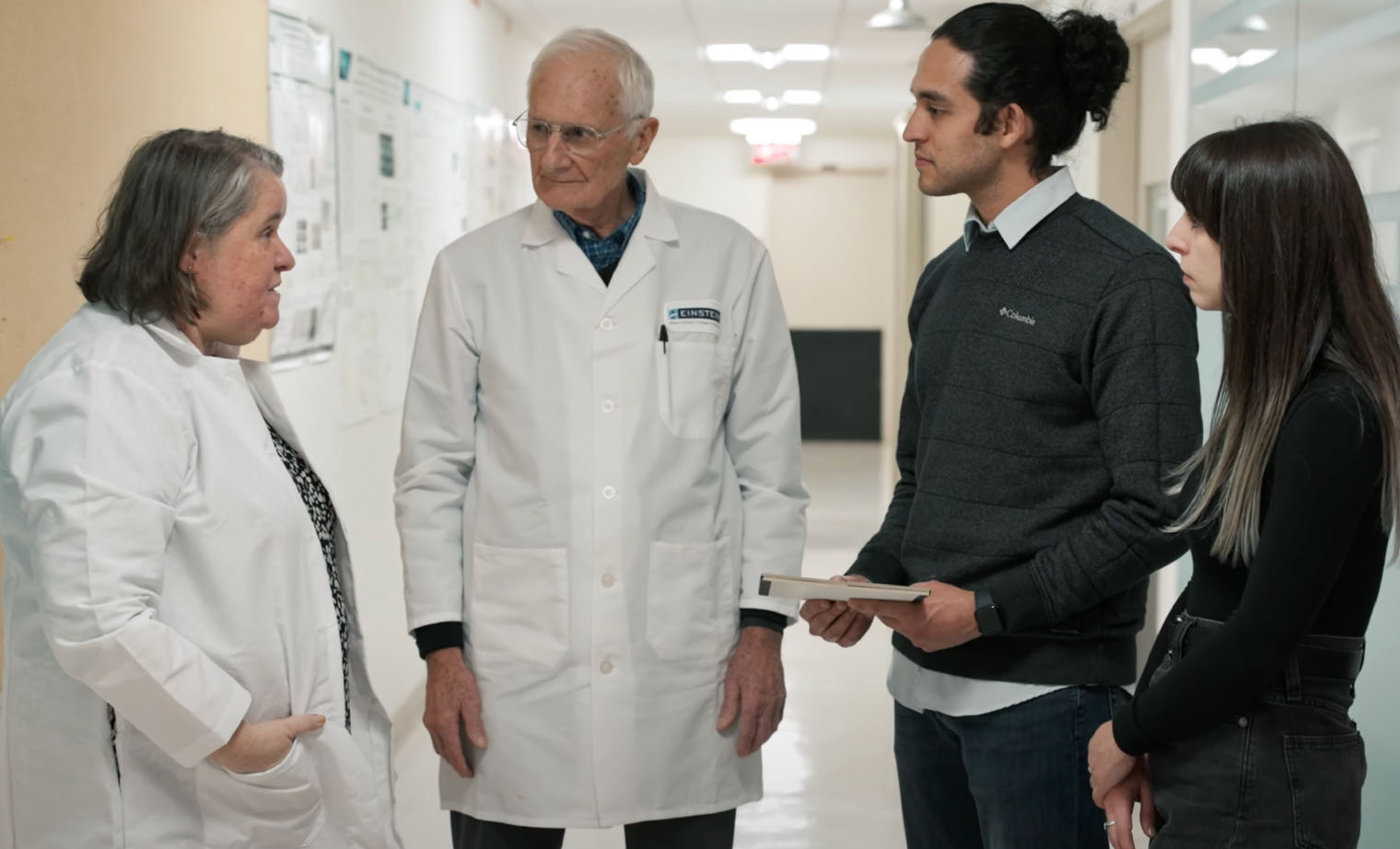 Discussing rare-disease research are, from left, Einstein professor Violeta Chitu, Ph.D., professor emeritus E. Richard Stanley, Ph.D., doctoral candidate Dylann Cordova Martinez, and postdoctoral researcher Sarah Goebel, Ph.D.
Clinicians and researchers also benefit from Gene Teams. “Exploring the complexities of one rare disease also equips medical professionals to better support families with unrelated rare conditions, broadening their expertise,” noted Dr. Walkley in a March 2024 paper on Operation IDD Gene Team, published in the Journal of Neurodevelopmental Disorders (JND).
“The Gene Team experience is inspiring for researchers,” says Dr. Molholm. “The meetings put a human face on the molecules or mechanisms that they study in the lab. Their work is no longer an abstraction.” A Gene Team meeting, for example, compelled Einstein’s Julie Secombe, Ph.D., an expert on the KDM5C gene, to join the KARES Foundation as chair of its scientific advisory board. Dr. Secombe is a professor of genetics and in the Dominick P. Purpura Department of Neuroscience.
The IDDRC has funded several Einstein scientists who were motivated to conduct rare-disease research after getting to know families at Gene Team meetings. One such encounter led Einstein researchers E. Richard Stanley, Ph.D., and Violeta Chitu, Ph.D., to launch an IDDRC-funded pilot study of a rare brain disorder caused by IRF2BPL mutations. Dr. Stanley is a professor emeritus of developmental & molecular biology and the Renée E. and Robert A. Belfer Chair in Developmental Biology; Dr. Chitu is a research professor of developmental & molecular biology.
“These IDDRC pilot grants may be modest,” says Dr. Molholm, “but they provide a crucial starting point—enabling studies to begin and generating preliminary data that can lead to NIH funding. They play a vital role in launching research aimed at understanding these disorders and, ultimately, developing potential therapies.”
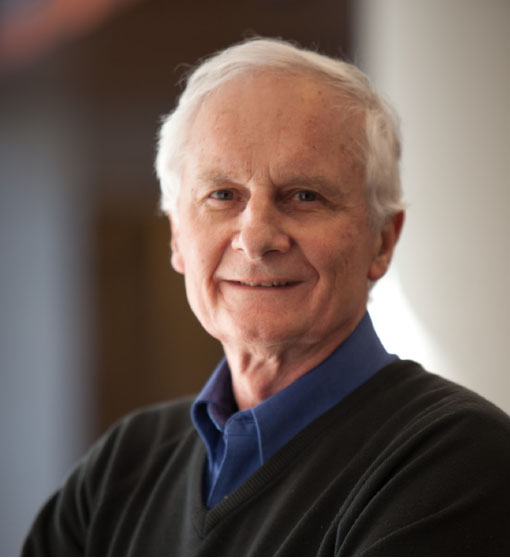 E. RIchard Stanley, Ph.D.
The Gene Team experience is inspiring for researchers. The meetings put a human face on the molecules or mechanisms that they study in the lab. Their work is no longer an abstraction.
—Dr. Sophie Molholm
For trainees and young scientists, the Gene Team experience can open new doors and present opportunities to make fundamental contributions to little-studied diseases. After one meeting, postdoctoral researcher Sarah Goebel and doctoral candidate Dylann Cordova Martinez were moved to raise funds for rare-disease research and for families burdened with high medical costs. “It’s important for us as scientists to actually go out and see the patients—see the people who have these diseases,” says Dr. Goebel. “Reading about it is one thing, but seeing it is something else entirely.”
For Hayden Hatch, M.D., Ph.D. ’24, one of Dr. Secombe’s trainees, getting involved in the rare-disease community was truly life-changing. Dr. Hatch was born with a leg deformity that, despite 20 operations, had kept him in chronic pain and reliant on crutches for most of his life. Years earlier, his doctor had recommended amputation, a solution he long resisted.
“Meeting with these families showed me that I really had to take care of myself before I could effectively take care of others,” says Dr. Hatch, who published several papers on KDM5C mutations while at Einstein. Last year, Dr. Hatch underwent surgery to remove his limb and is now able to walk pain-free with a prosthesis. He is currently a resident in neurology at Boston Children’s Hospital and plans to work with children with neurodevelopmental conditions.
With these young Einstein scientists in mind, Dr. Molholm made certain to feature the Gene Team in IDDRC’s most-recent application for an NIH T32 grant, which supports training for predoctoral and postdoctoral researchers. “We wanted to make sure that our trainees, in addition to building their scientific knowledge, understand the clinical significance of their work. It’s a major motivator, something that can convince people to stay in the field,” she says.
“There’s always talk about building bridges between basic research and the clinic,” she adds. “We’re actually doing it, and we’re seeing a change in the student body.”
Couldn’t precious research dollars be better spent on more-common health problems? “Yes, these diseases do affect very few people,” Dr. Molholm acknowledges. “But insights into rare-disease pathways frequently provide insights into common diseases.”
“My career has been focused on the study of pediatric lysosomal storage disorders like Salla disease,” adds Dr. Walkley. “Evidence suggests that lysosomal abnormalities may contribute to the neurofibrillary tangles that occur in Alzheimer’s disease. So understanding these rare pediatric conditions involving lysosomes could add to our understanding of the role of lysosomes in dementia.”
Adds graduate student Mr. Cordova Martinez, “One of the beauties of science is that you never know where you’re going to go. You can see why science tends to move toward helping millions of people. But then again, helping one family, one patient—it can be enough.”
Dr. Molholm and her colleagues hope that the idea of Gene Teams will catch on elsewhere—at the recently created New York Center for Rare Diseases at Montefiore Einstein and, more broadly, at the nation’s 14 other federally funded IDDRCs.
“We believe [the Gene Team concept] has the potential to be applied to rare genetic diseases impacting individuals of any age and encompassing a wide variety of developmental disorders affecting multiple organ systems,” Dr. Walkley wrote in JND.
Gene Team families know that these efforts may never benefit their own children, yet their enthusiasm for the program remains high.
“The life of a special-needs mom can be incredibly isolating,” says Lisa Manaster, co-founder of the CACNA1A Foundation. “In this group, I found my tribe.”
“Mustering the strength to take on such an endeavor has not been easy, but worth every moment as we see our success and our foundation flourish, paving the way for future families and patients,” Jessica Foglio wrote in IDDRC’s newsletter. “We now have a purpose. Ben’s little life has a purpose too, and that is everything.”