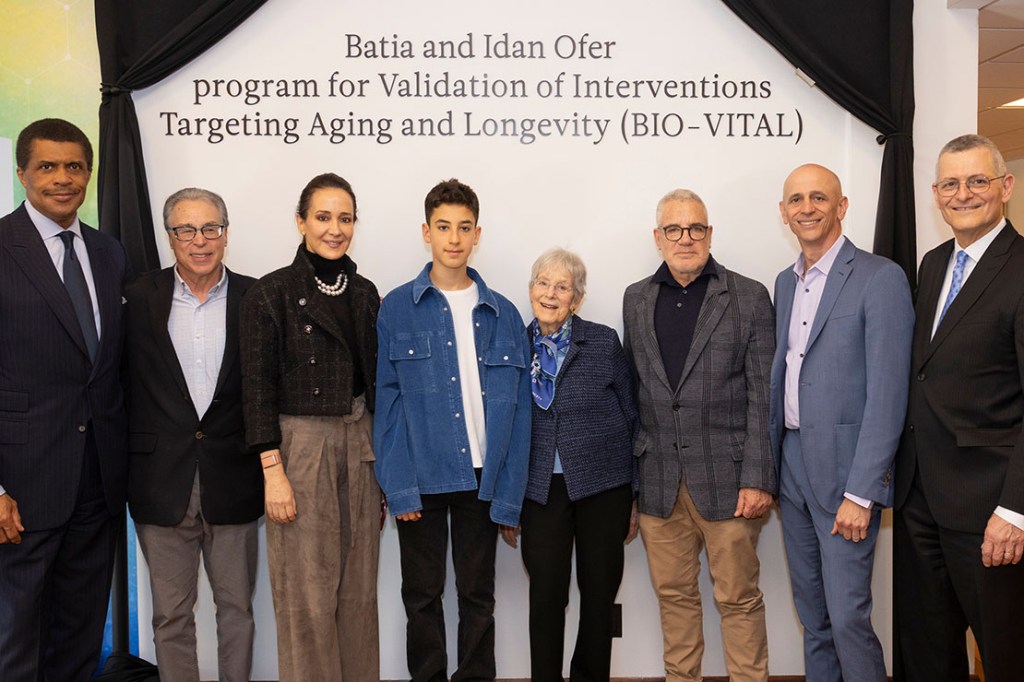
A multimillion-dollar gift from the Idan and Batia Ofer Family Foundation is funding a program at Einstein that is geared to accelerating the development of drugs that target aging. Called BIO-VITAL (the Batia and Idan Ofer Program for Validation of Interventions Targeting Aging and Longevity), it will support scientists at Albert Einstein College of Medicine and work with biotech and pharmaceutical companies in the search for novel therapeutics.
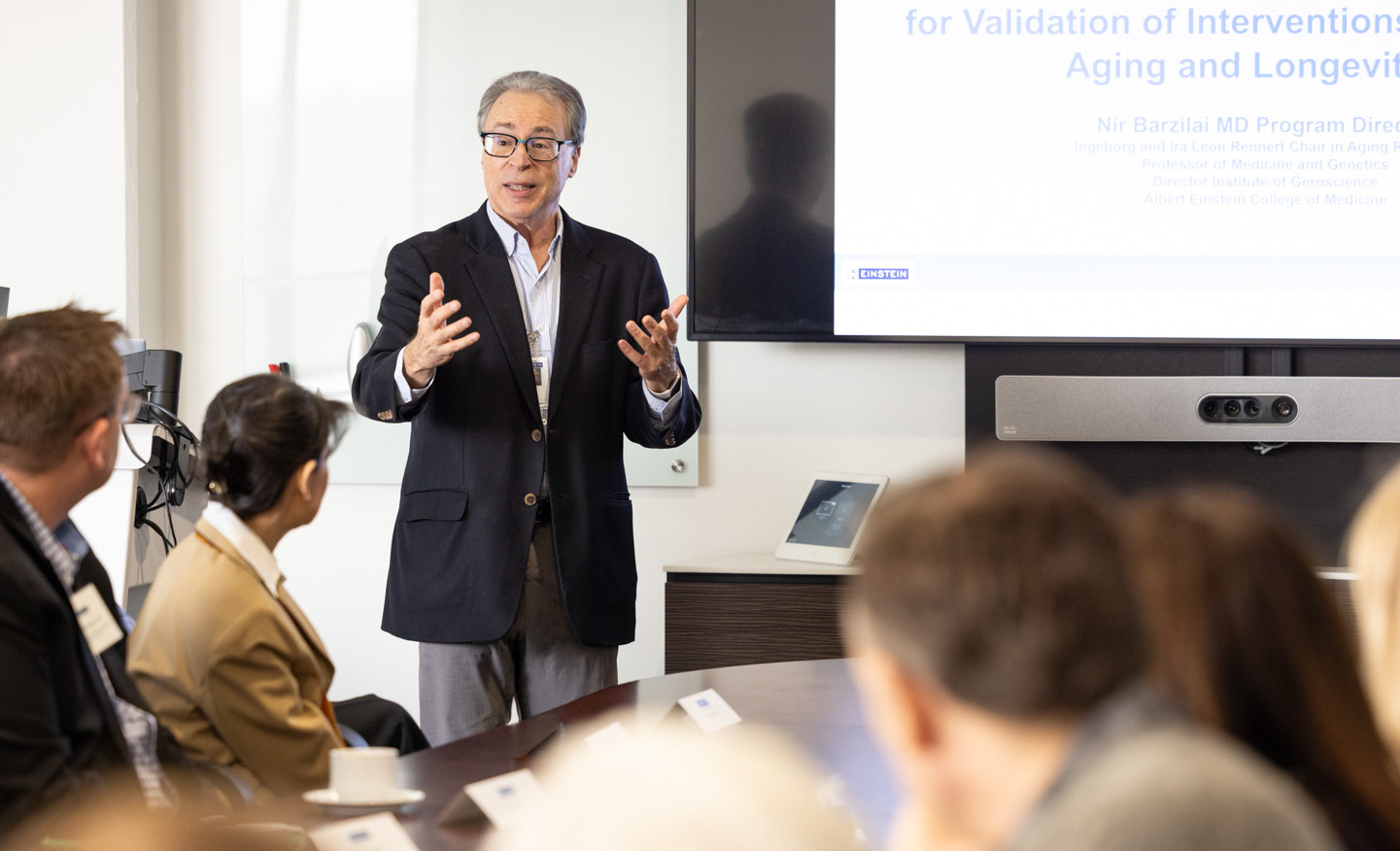 Nir Barzilai, M.D., co-director of BIO-VITAL and Einstein’s Institute for Geroscience, discusses the purpose of the new aging research program.
“Aging research at Einstein already has led to multiple scientific breakthroughs,” says Nir Barzilai, M.D., a professor of medicine and of genetics and a co-director of Einstein’s Institute for Geroscience. “BIO-VITAL will help accelerate the translation of those discoveries into the development of drugs that target aging and prevent age-related diseases. This research could lead to fewer costly long-term treatments, less financial drain and caregiving burden for families of aging individuals, and, most important, a better quality of life for people in their later years.”
The Ofers, Israeli philanthropists living in London, have a long tradition of funding Einstein research. Idan Ofer’s late father, Sammy Ofer, was a shipping magnate who first supported Dr. Barzilai’s research nearly 20 years ago. Idan Ofer not only emulates his father as an Einstein donor but has also been a friend of Dr. Barzilai for most of his life, going back to their kindergarten days in Haifa, Israel.
Knowing of Mr. Ofer’s interest in pioneering research, Dr. Barzilai asked his friend to accompany him to a symposium of gerontologists—scientists who study aging. Mr. Ofer was convinced that the field held great promise, Dr. Barzilai says, and he agreed to support Einstein’s scientific investigations.
The Ofers describe their gifts as social investments rather than donations. The distinction underscores their preference for giving not only money, but also time, expertise, and energy.
“Investing in cutting-edge longevity research at Einstein is essential as we look to improve both the quality and the span of human life,” says Mr. Ofer. “Supporting Professor Nir Barzilai’s work allows scientists to advance therapies that could meaningfully change how we age and help translate scientific discovery into real-world impact.”
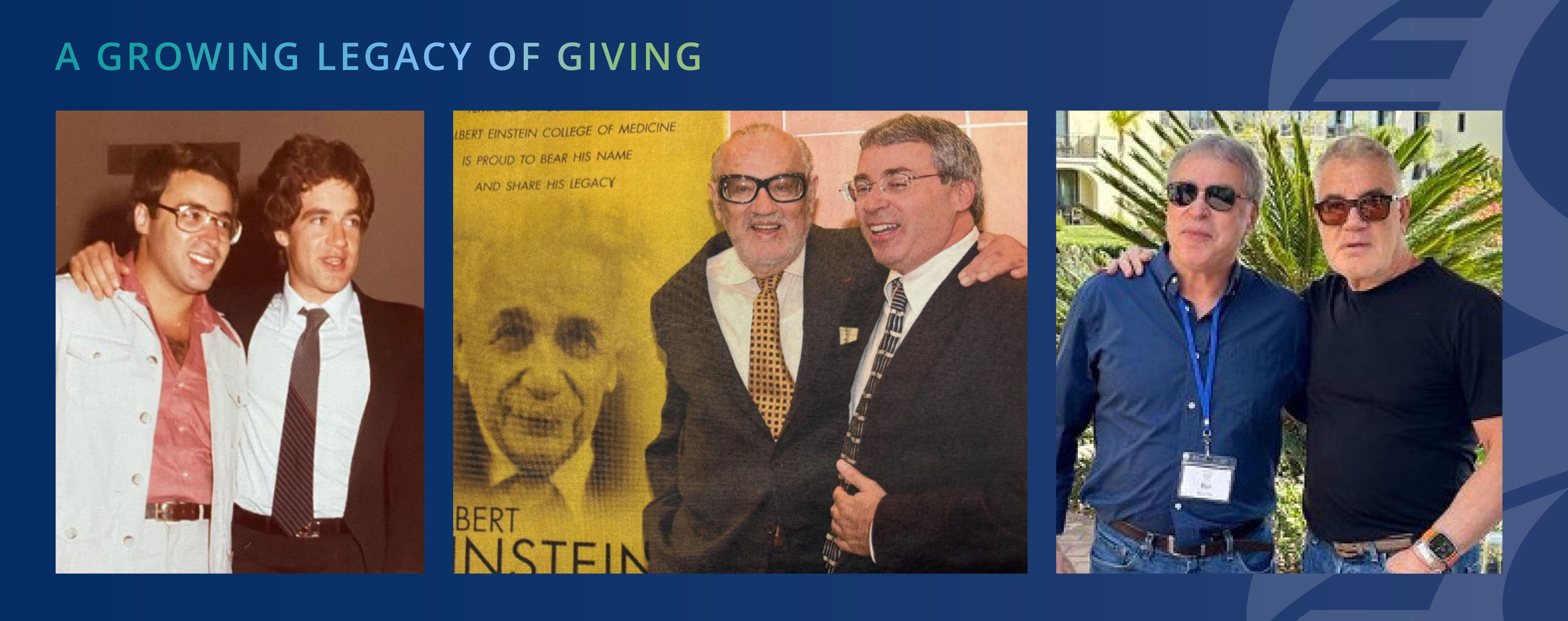
Mr. Ofer is a businessperson with interests in global shipping, energy, and investment. He is also a major stakeholder in Atlético Madrid, one of the world’s leading football clubs. As a philanthropist, he is known for his contributions to institutions such as the London Business School, the Bezalel Academy of Arts and Design, Israel’s National Library, and Ichilov Medical Center in Tel Aviv, Israel.
His wife, Batia Ofer, is the chair of the Royal Academy Trust and an avid art collector and patron who also takes a hands-on role in causes that can make an impact. After experiencing the loss of her younger sister, who died at age 26, Mrs. Ofer launched Art of Wishes, an initiative that brings together the arts and creative industries to raise funds for Make-a-Wish UK. Since 2017, the Art of Wishes has raised more than £15 million to grant thousands of wishes for children with critical illnesses.
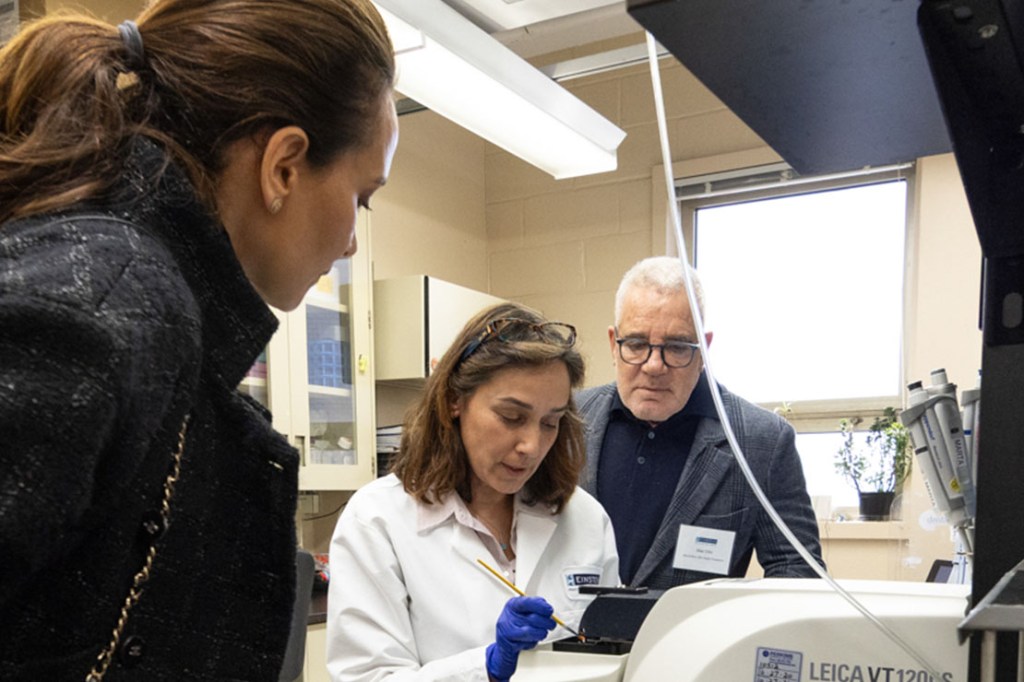
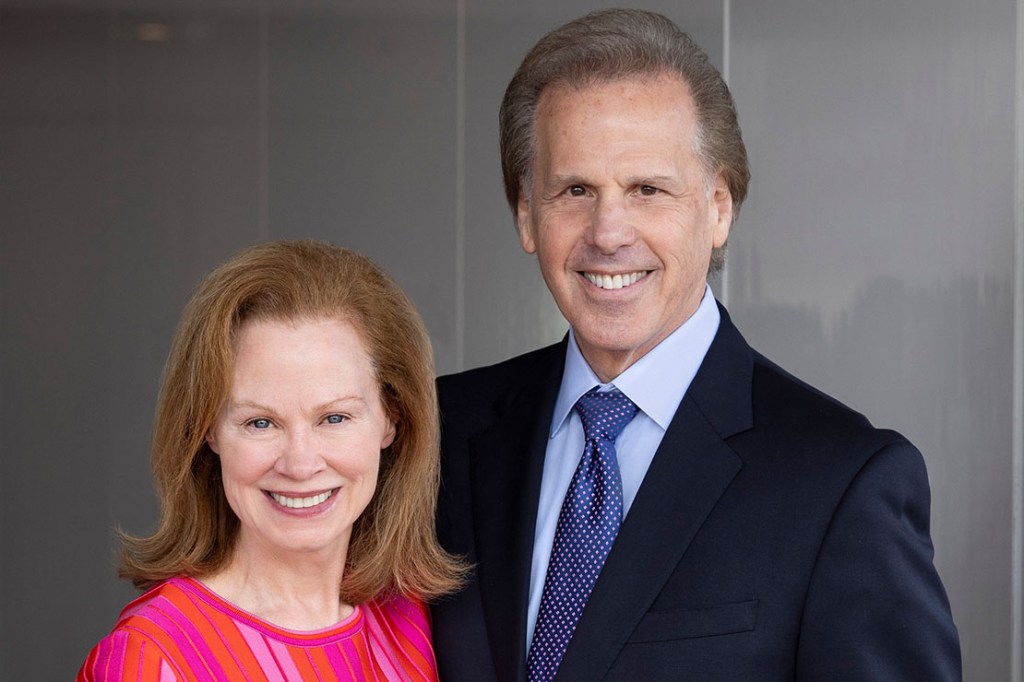
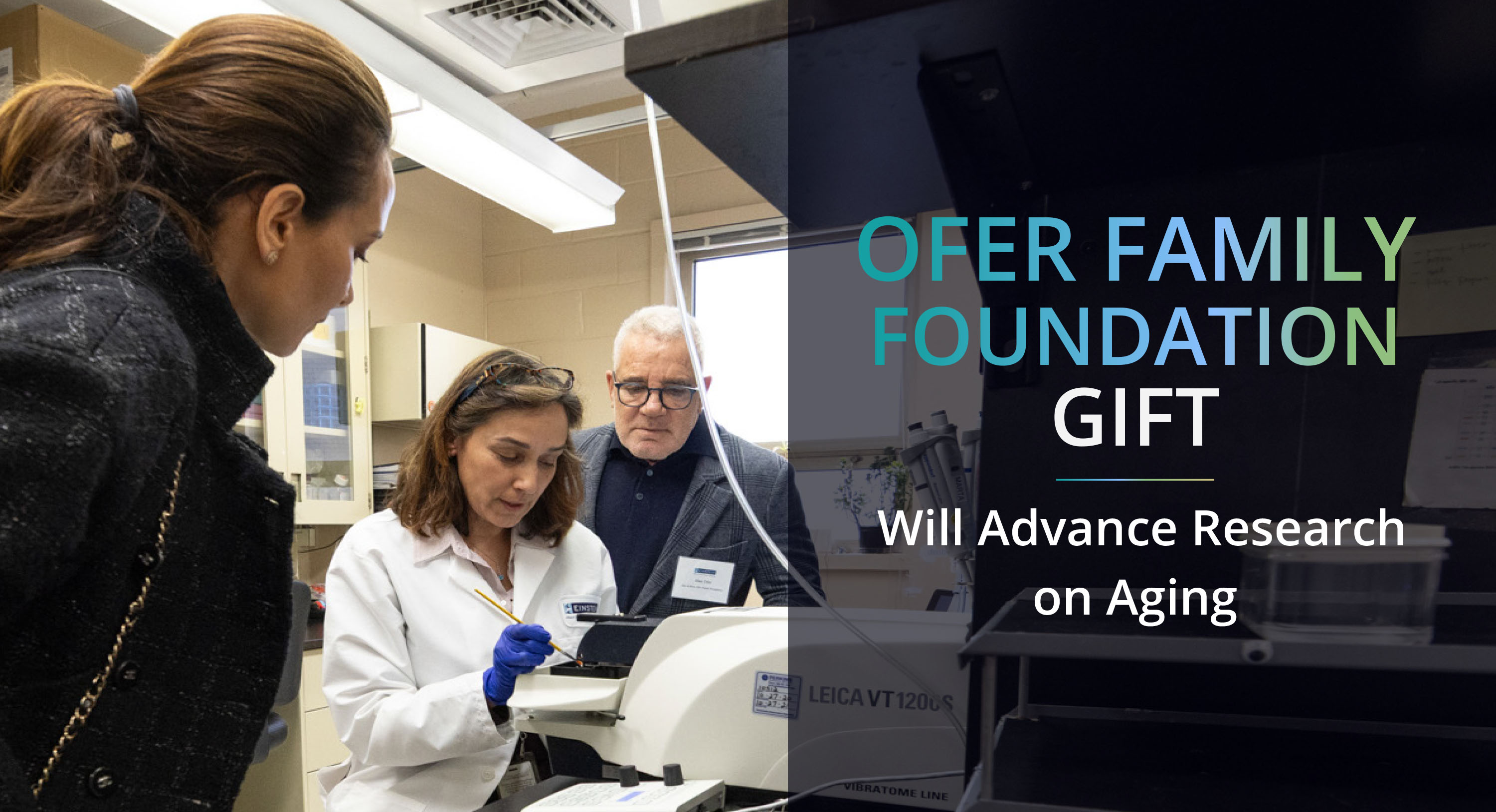
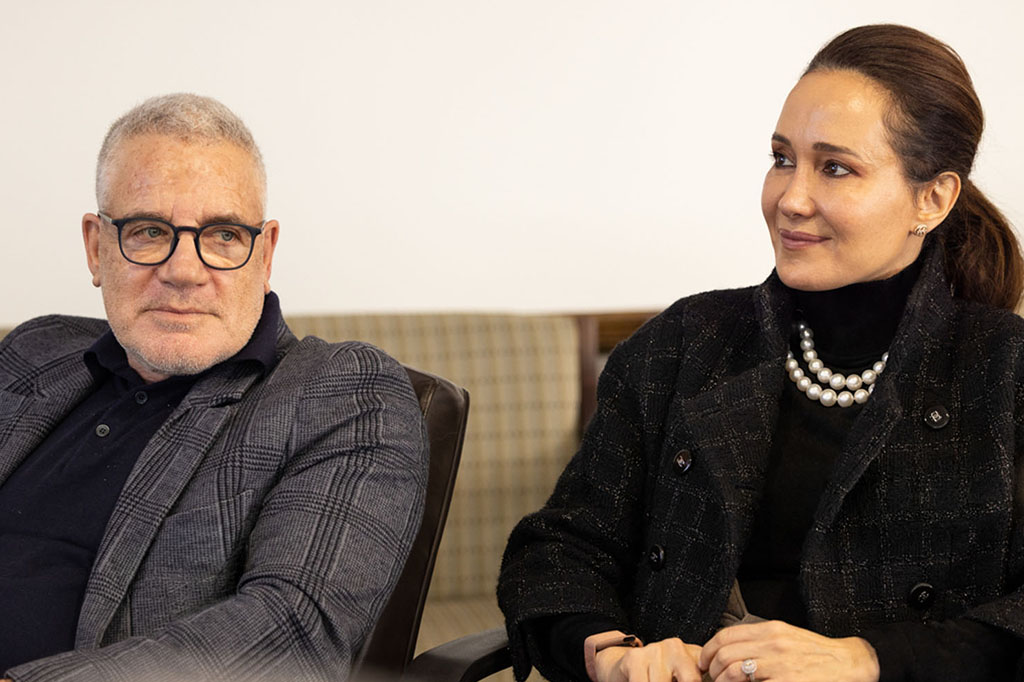 Idan and Batia Ofer at Einstein in April 2026.
“The goal of aging research is to delay aging in the population,” Dr. Barzilai says, “not just adding years to life, but health to years.” He adds that while older adults would clearly benefit from medicines that slow the aging process, those drugs would also help a wide range of patients who have conditions associated with accelerated aging, such as cancer and HIV.
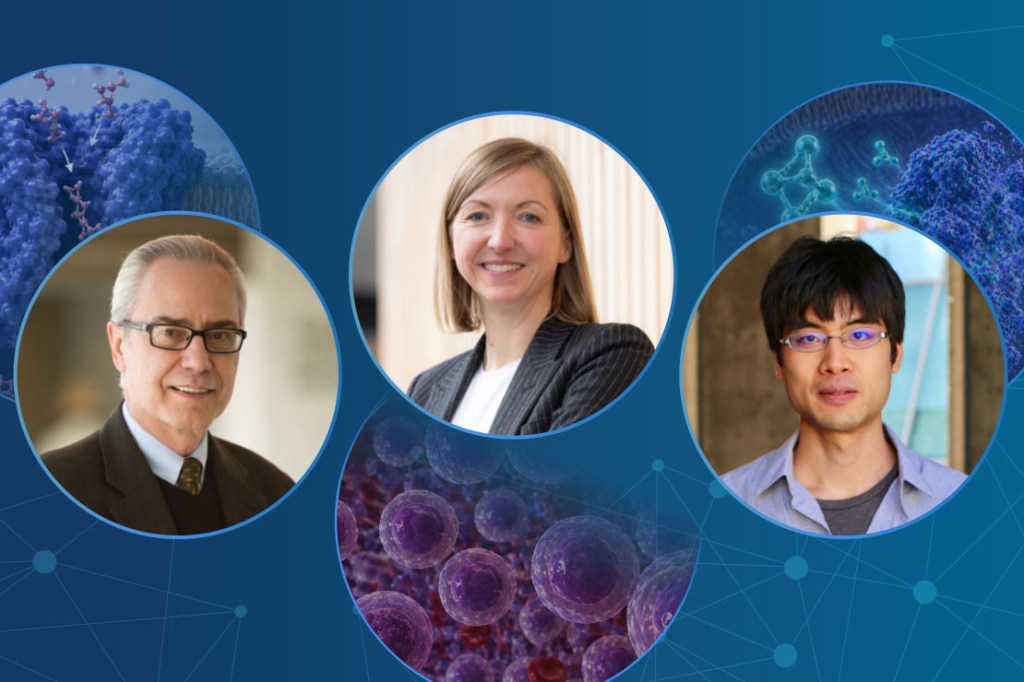
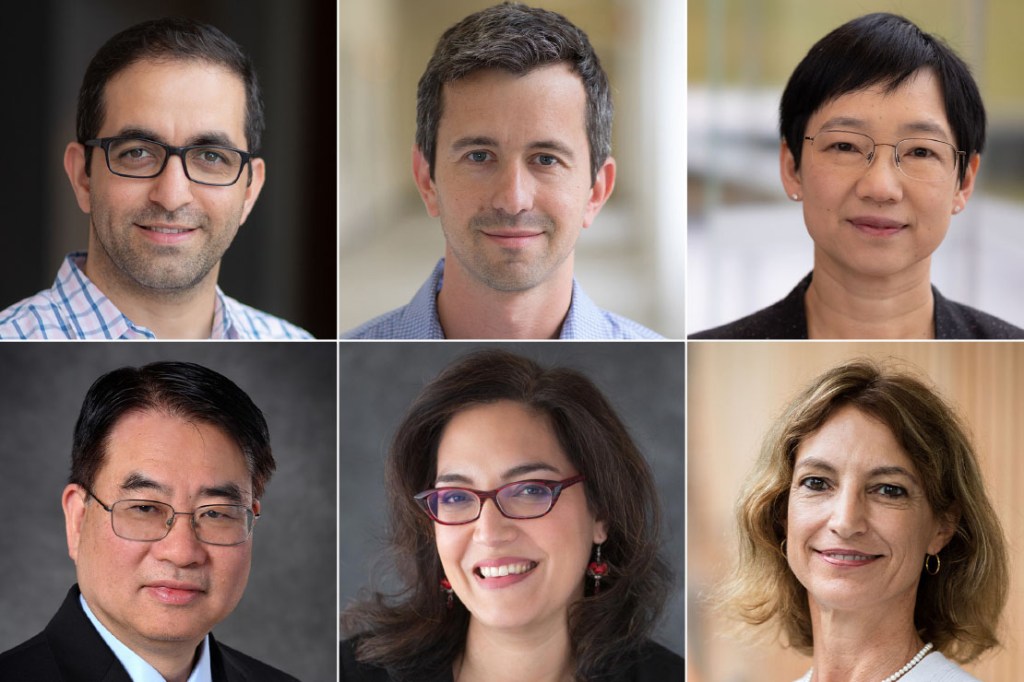
The Ofer Family Foundation funding will improve Einstein’s existing technological and scientific infrastructure, fund research by graduate and postdoctoral students interested in the biology of aging, and recruit and retain top talent. It will also help position BIO-VITAL as an ideal partner for biotech and pharmaceutical companies to accelerate their preclinical studies, help choose the correct indications for potential drugs, and bring their therapies to market more quickly. In addition to Dr. Barzilai, BIO-VITAL’s leadership includes Ana Maria Cuervo, M.D., Ph.D., Derek Huffman, Ph.D., and Sofiya Milman, M.D., M.S.
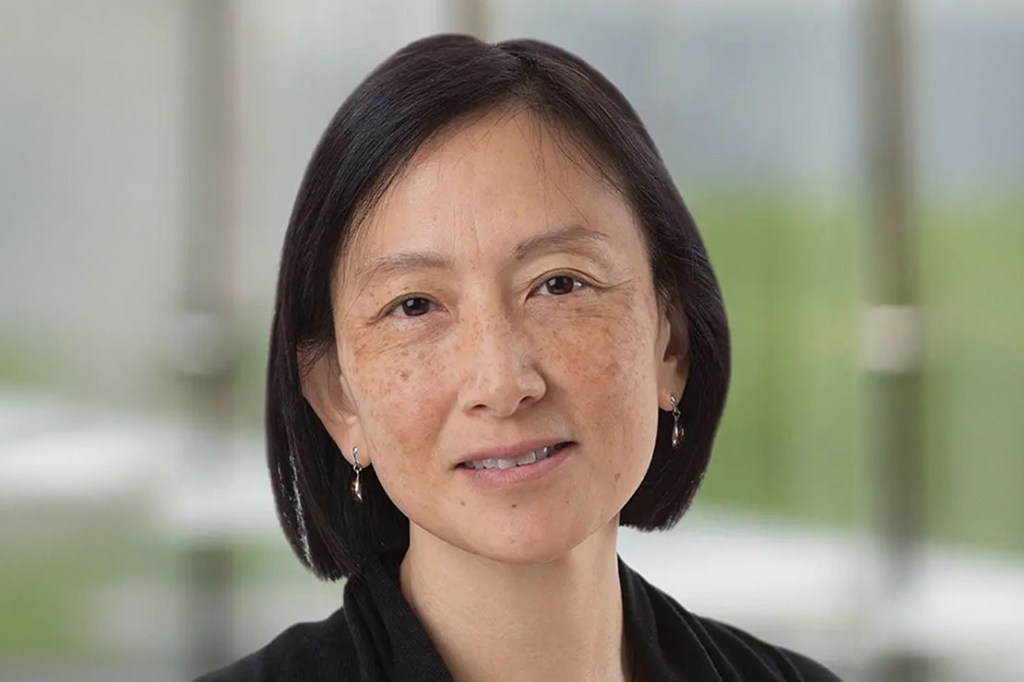
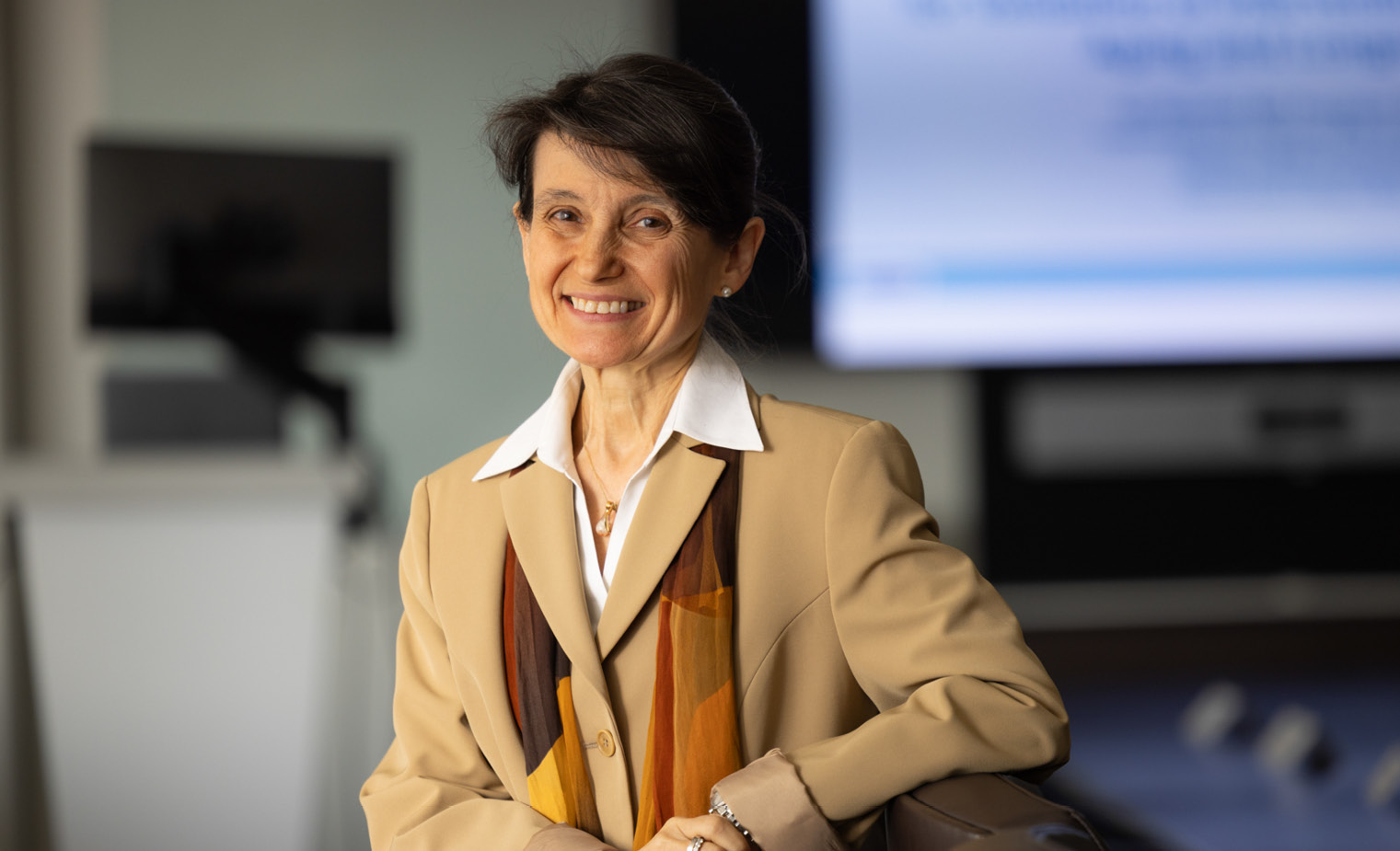 Ana Maria Cuervo, M.D., Ph.D., co-director of BIO-VITAL and Einstein’s Institute for Geroscience.
Given the knowledge and expertise of its lead investigators, BIO-VITAL’s capabilities run the scientific gamut, from molecules and cells to organisms and humans. Dr. Cuervo, a distinguished professor of developmental & molecular biology and of medicine and a co-director of the Institute for Geroscience at Einstein, will oversee the facilities associated with the cellular biology of aging. “With the resources we have developed over the decades, we can evaluate how prospective drugs affect the hallmarks of aging at the cellular level, including autophagy, mitochondrial dysfunction, senescence, and proteostasis,” says Dr. Cuervo, who also holds the Robert and Renée Belfer Chair for the Study of Neurodegenerative Diseases.
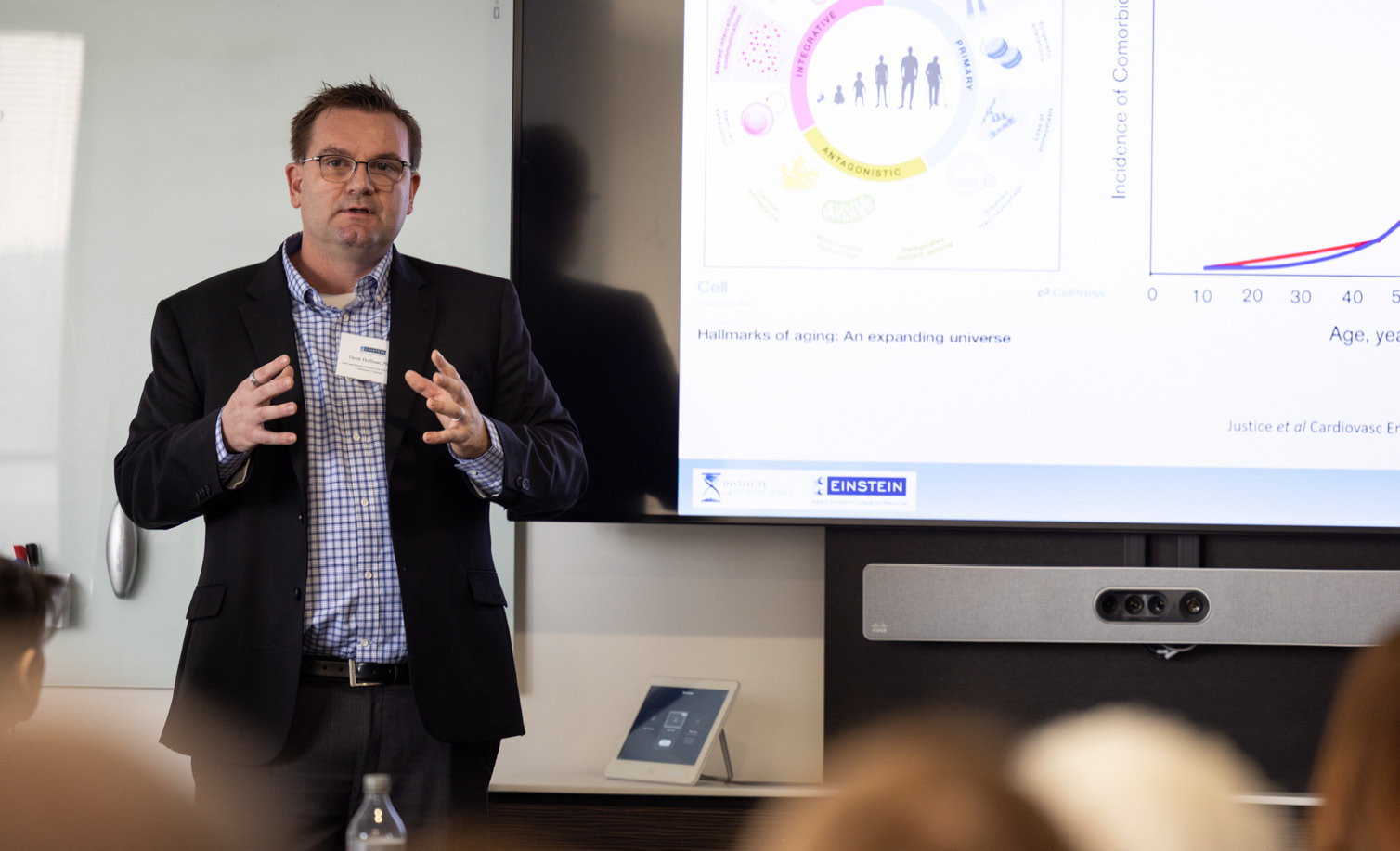 Derek Huffman, Ph.D., co-director of BIO-VITAL, presents on the hallmarks of aging.
Dr. Huffman, a professor of molecular pharmacology and of medicine and the Lotti and Bernard Benson Faculty Scholar in Alzheimer’s Disease, will lead research on a proprietary animal model that more accurately reflects human aging than other model organisms. This older-animal model can help evaluate the impact of therapies on biological systems and behaviors, including stamina, coordination, memory, and metabolism.
“Preclinical drug testing has traditionally been carried out in young animals,” Dr. Huffman says. “But drugs that work in young animals may not be effective in older animals—which may be a major reason why drugs showing promise in preclinical studies ultimately fail when evaluated in clinical trials involving older people. We can help change that.”
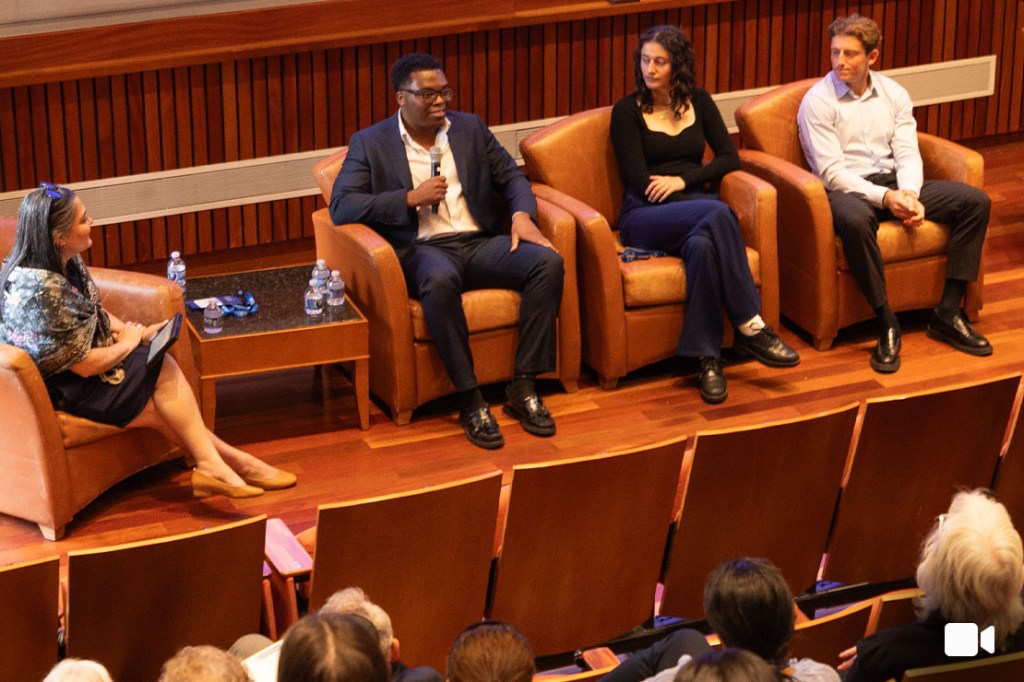
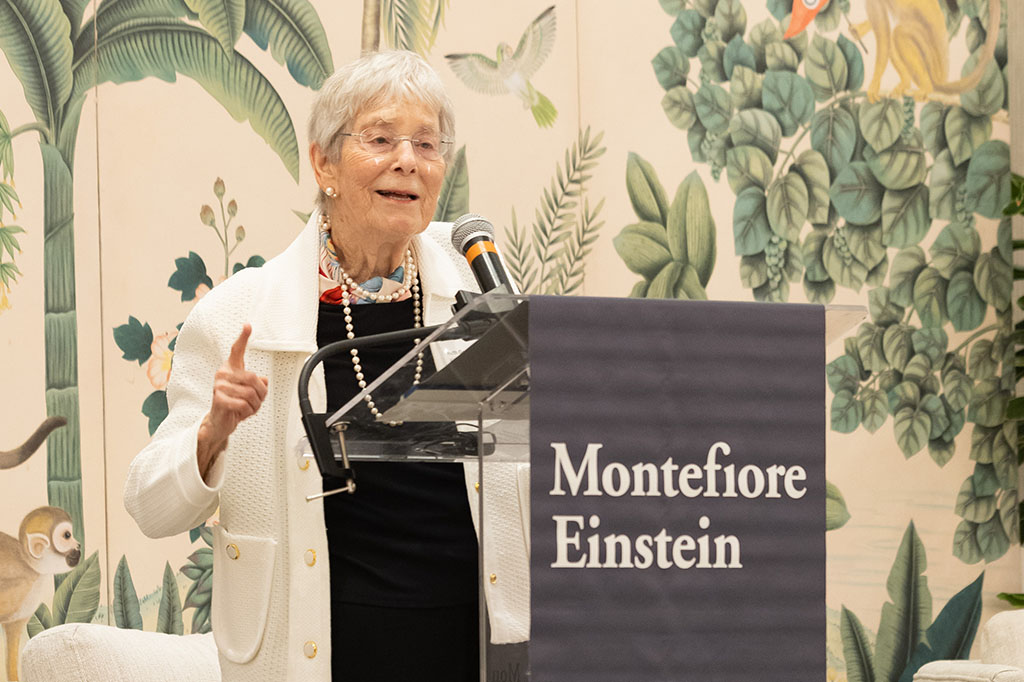
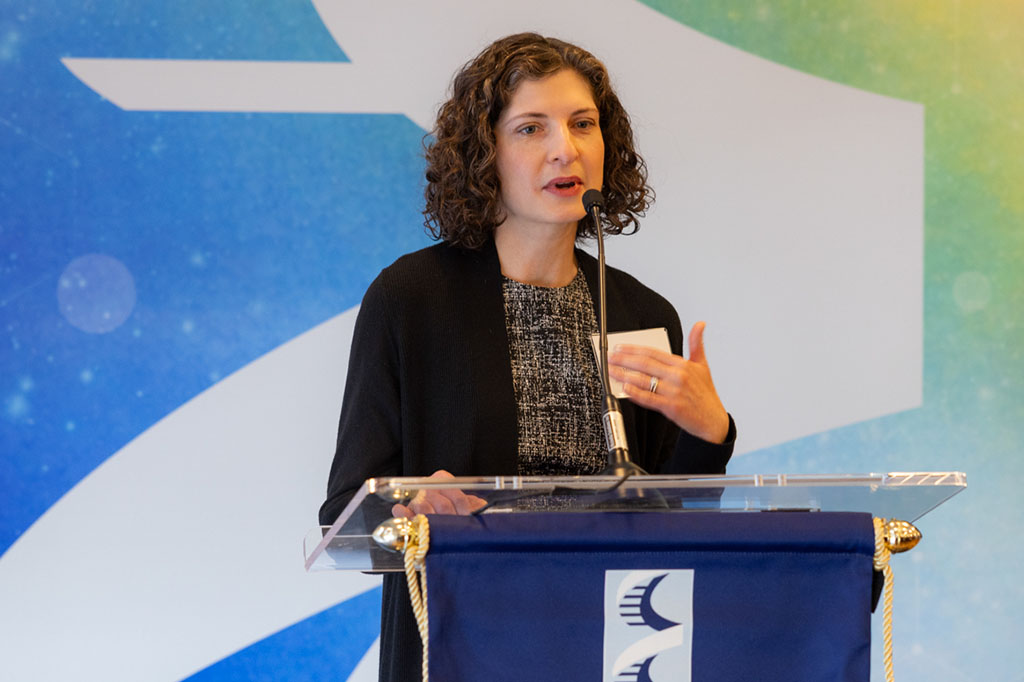 Sofyia Milman, M.D., M.S., addressing the crowd at the BIO-VITAL grand opening event.
Dr. Milman is the director of Einstein’s Longevity Genes Project, a study of nearly 3,000 centenarians and their children that has helped identify genes associated with exceptional aging. “With our extensive datasets, we can determine if the effects of a tested therapy have an impact on a gene associated with longevity,” says Dr. Milman, who is also a professor of medicine and of genetics and the interim vice chair for research in the department of medicine.
“Einstein boasts a wealth of investigators with expertise in aging,” says Dr. Barzilai. “But more than that, their labs work together, building synergies that create a particularly fruitful research environment for their academic and industry colleagues.”
Einstein’s core values also align with those of the Ofer Family Foundation, which are rooted in community. “Through our foundation, we focus on initiatives that connect scientific innovation with tangible social impact,” says Mrs. Ofer. “Programs like Einstein’s BIO-VITAL create opportunities not only to advance research, but also to improve well-being and expand access to better health outcomes across communities.”
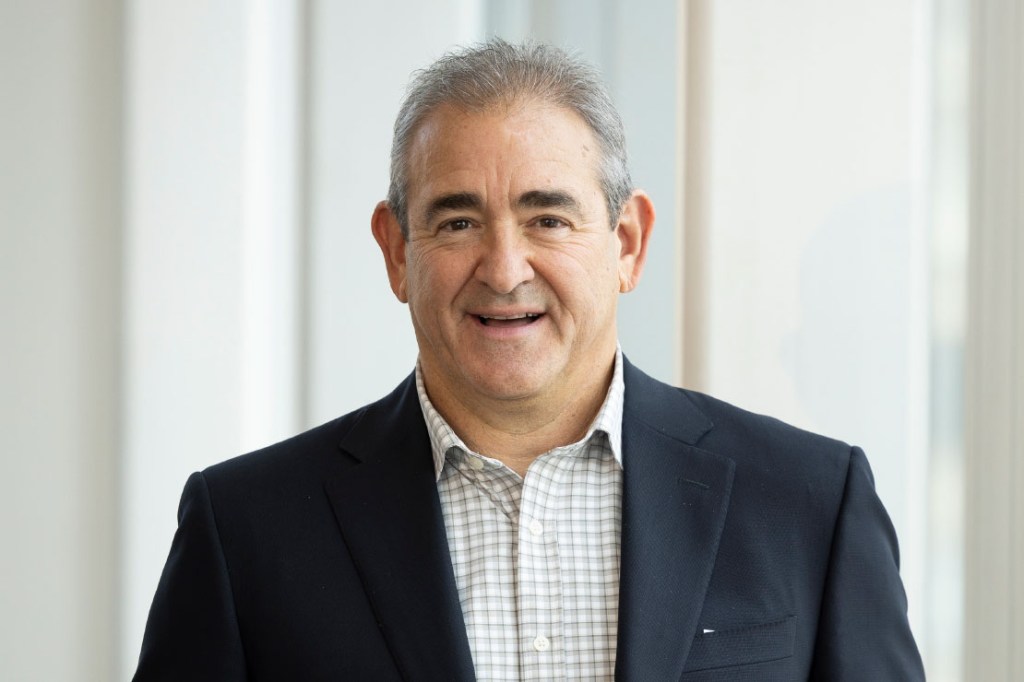
Yaron Tomer, M.D., Einstein’s Marilyn and Stanley M. Katz Dean, says that the Ofers “understand the value of this investment. The goal is for BIO-VITAL to become self-sustaining. This seed funding helps launch this project, which we think will make an indelible mark on Einstein and the field of aging overall.”