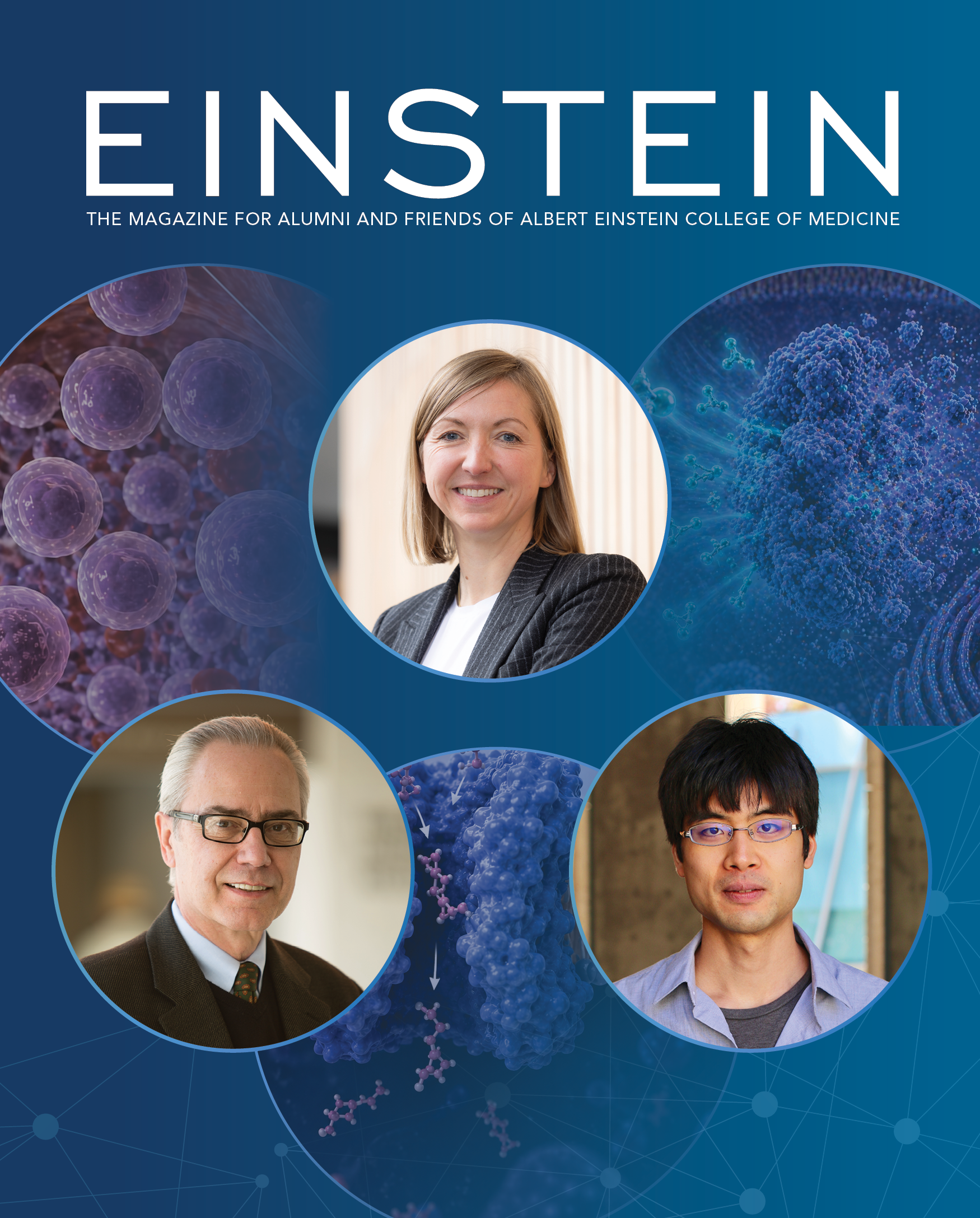
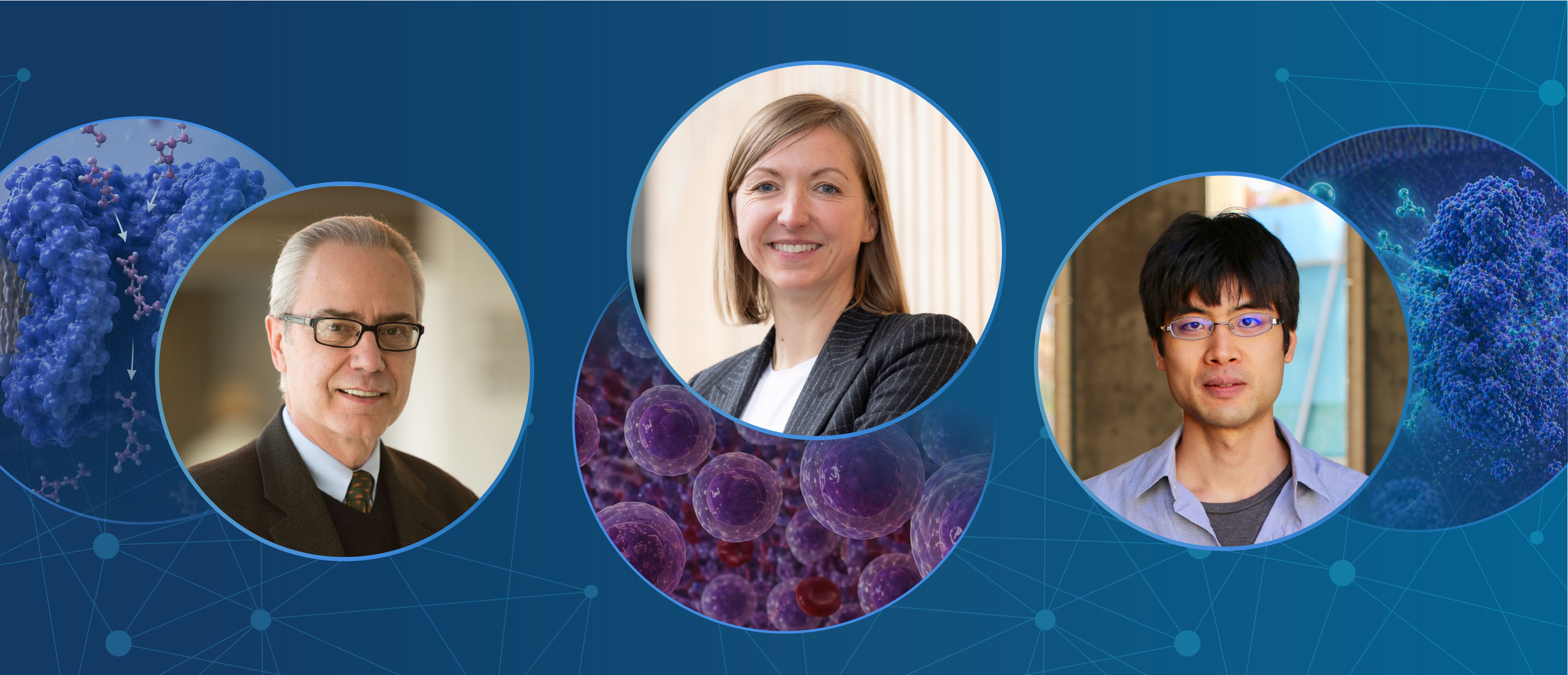
In the labs at Albert Einstein College of Medicine, there’s no shortage of promising discoveries for potentially improving human health. The challenge is to propel them from lab benches to patients’ bedsides.
Einstein has launched several key initiatives to do just that, including an acceleration fund that has enabled researchers to generate the data needed to advance their biomedical innovations through the drug-development pipeline and toward the goal of drug approval. Below we describe three Einstein research projects with great potential for improving human health.
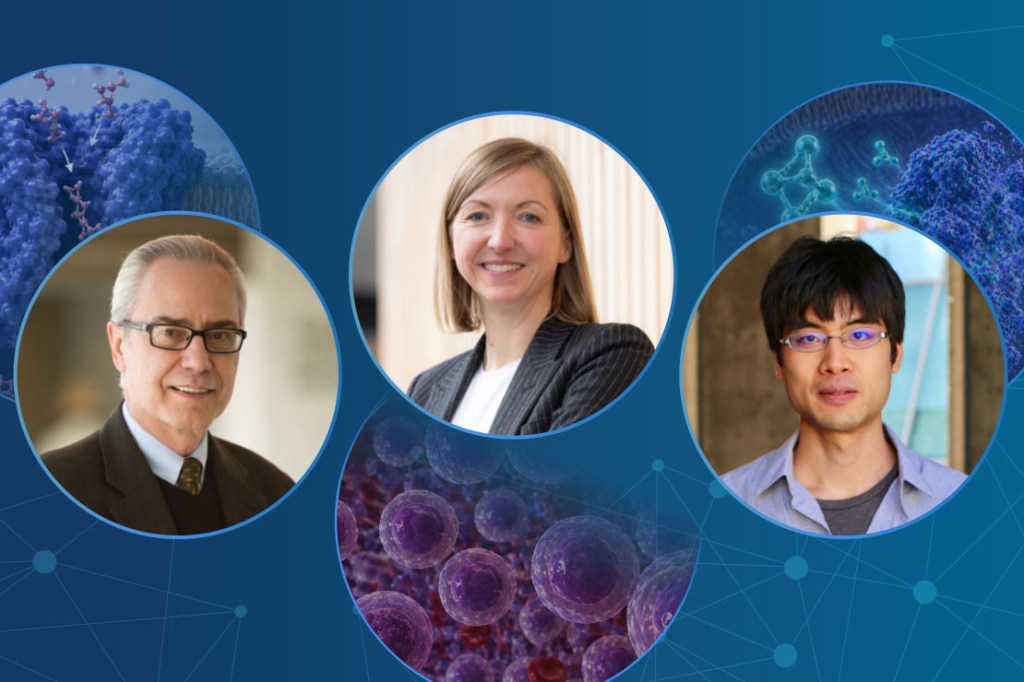
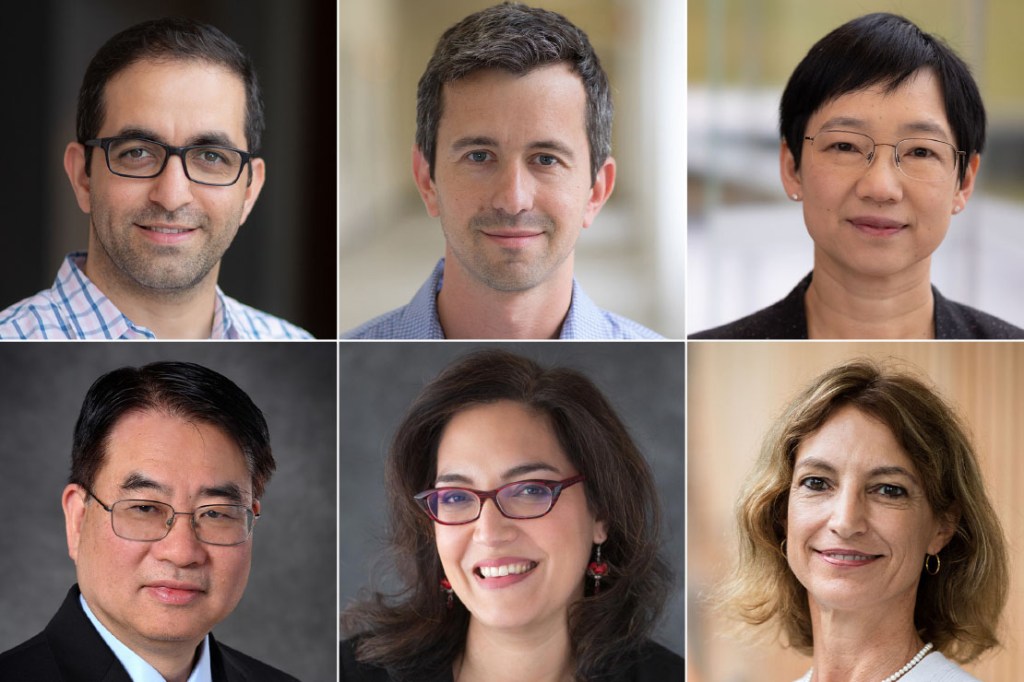
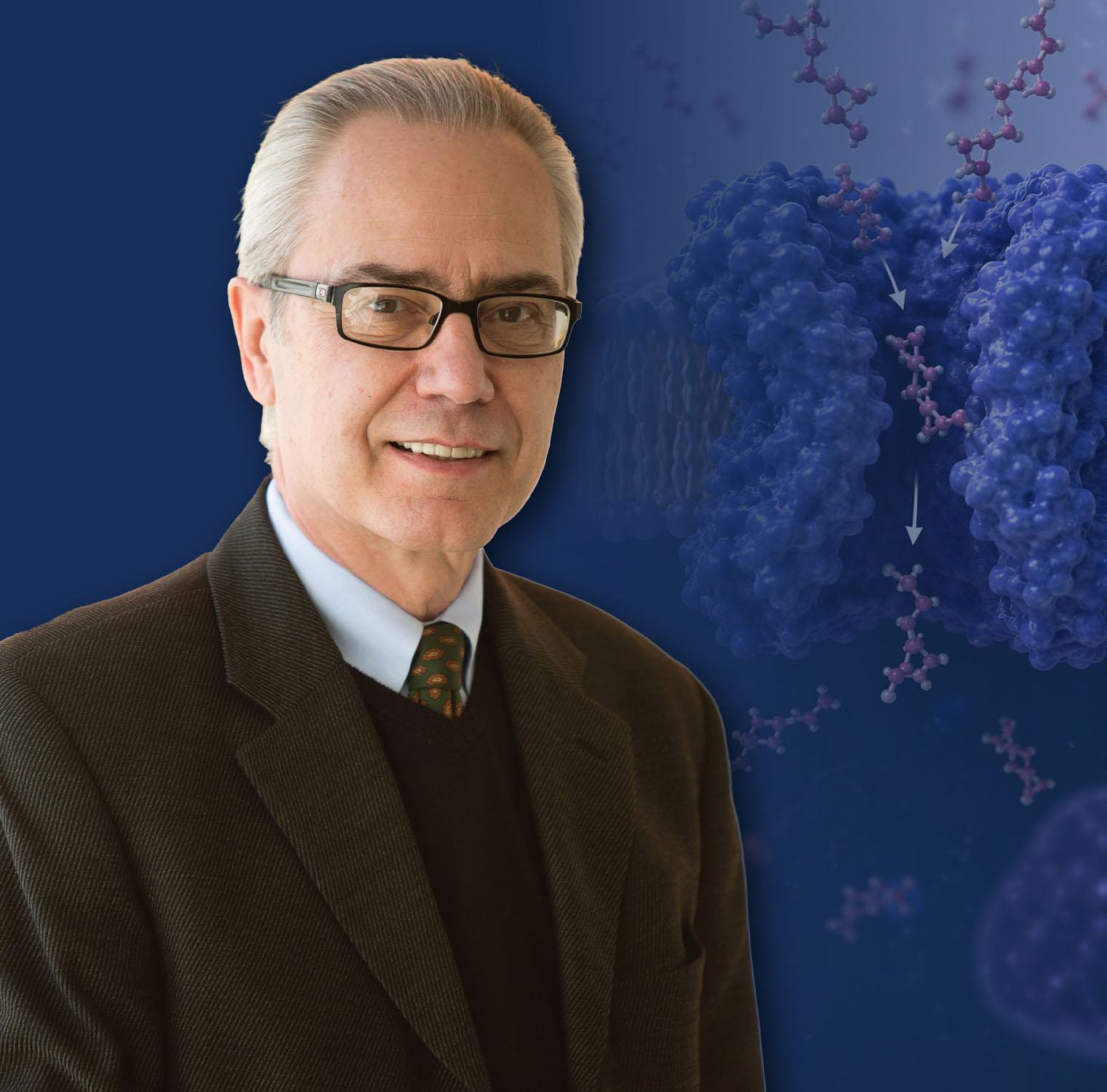 Victor Schuster, M.D., professor of medicine and of biochemistry at Einstein.
Ozempic, Wegovy, and other drugs known as GLP-1 receptor agonists are all the rage, touted as miracle medications that can help people lose weight and lower their blood sugar levels. And for many patients, GLP-1 drugs do live up to the hype.
“But there’s a problem,” says Victor Schuster, M.D., professor of medicine and of biochemistry at Einstein. “GLP-1 therapies have significant side effects, notably nausea and vomiting. In addition, studies show that up to 25% of the weight lost with these drugs can be muscle. More than 80% of patients stop taking GLP-1 drugs within two years and eventually regain the weight. That’s very dispiriting, as you can imagine.”
Now, a finding that Dr. Schuster made earlier in his career could lead to new weight-loss drugs without these side effects.
Thirty years ago, while studying basic kidney biology, Dr. Schuster discovered a protein he named prostaglandin transporter (PGT). It exerts a beneficial effect on the body by soaking up prostaglandins—naturally occurring chemical messengers that promote fever, pain, and inflammation. To learn more about PGT, Dr. Schuster knocked out the gene that codes for it in mice.
“One would imagine that this genetic alteration would result in high and harmful levels of prostaglandins, leading to systemic and damaging inflammation,” says Dr. Schuster. “But to our surprise, the mice were quite healthy—and very lean. And even more surprising, they remained lean even if we put them on high-sugar or high-fat diets. They also lived longer than mice with both functioning copies of the gene.”
It turned out that a small minority of people lacks this same gene. And like the knockout mice, they are generally healthy and lean. Dr. Schuster realized that a drug that blocks PGT might be a good weight-loss therapy. Many scientists argued that it would be inadvisable, concerned that it would lead to ramping up a damaging inflammation process, but the experimental evidence suggested that a more-nuanced view was in order. Forging ahead, he proceeded to develop a number of different PGT inhibitors. “Once we had the inhibitors, we knew if we could generate more data, we could make them more attractive to commercial partners,” says Dr. Schuster.
Fortunately, it was around that time that Einstein launched its 2030 Acceleration Fund for advancing promising Einstein discoveries. Through this program, Dr. Schuster received the necessary financial support to conduct additional research and demonstrate the effectiveness of his PGT inhibitors. Working with the Office of Biotechnology and Business Development at Einstein, which identified a key investor firm interested in his research, he patented his most-promising compounds. They were then licensed to a start-up that will conduct more-extensive preclinical tests and, if all goes well, sponsor human trials.
Success could lead to a fundamentally new approach to weight loss: a shift away from appetite suppression and, instead, toward blocking the biochemical pathway that reduces stored fat while preserving lean muscle mass.
“We’re not just creating another weight-loss drug,” says Dr. Schuster. “We’re targeting metabolic health itself—helping people lose dangerous fat while preserving the muscle they need for strength, mobility, and healthy aging. We hope to achieve these benefits without restricting food intake, so people will be able to lose weight while eating normally.”
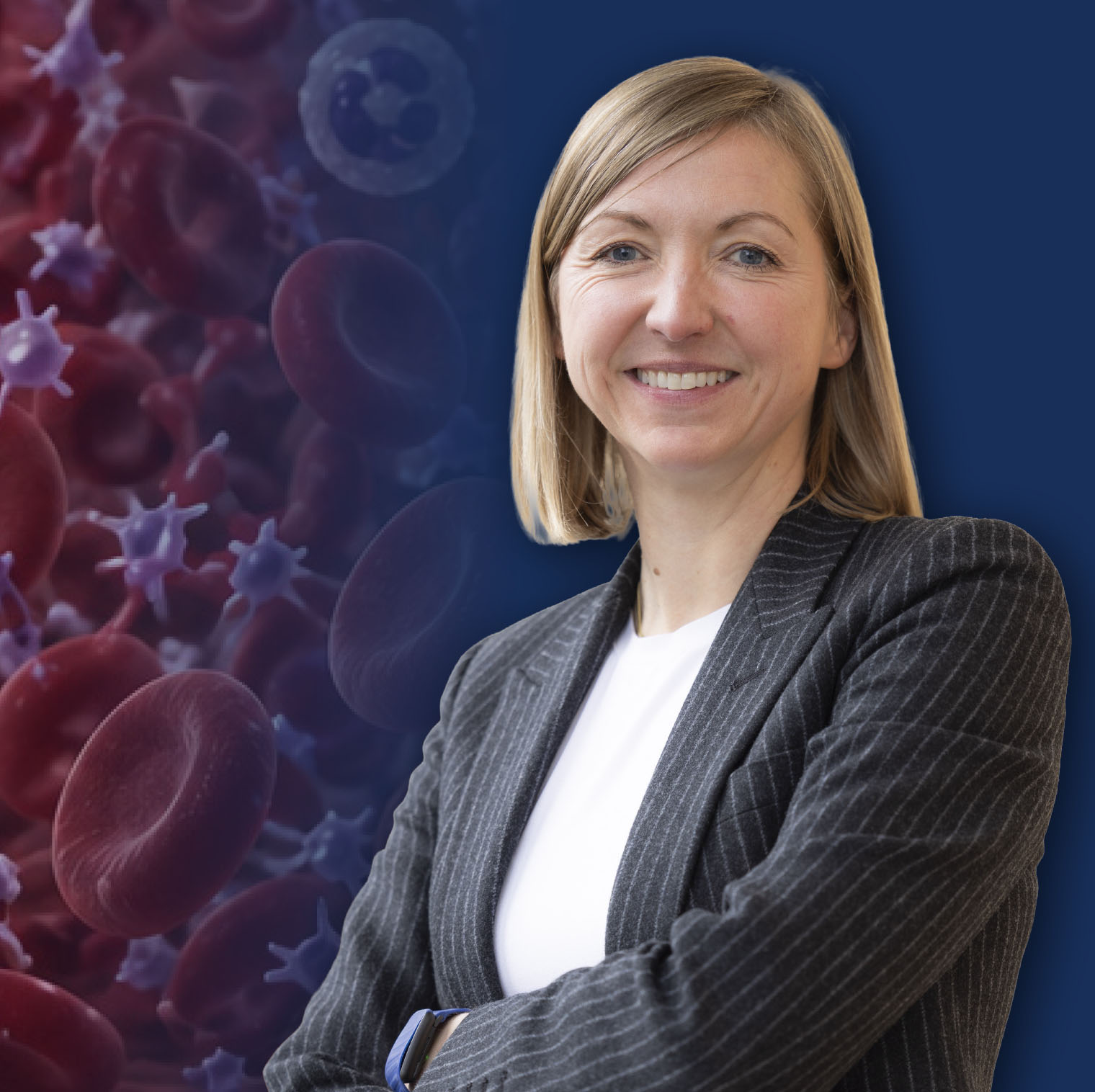 Britta Will, Ph.D., is director of the Ruth L. and David S. Gottesman Institute for Stem Cell Research and Regenerative Medicine at Einstein.
If there is such a thing as a “good” leukemia, acute promyelocytic leukemia (APL) is probably it. Approximately 90% to 95% of people with APL go into lasting remission after treatment with a well-tolerated, two-drug combination therapy known as ATRA-ATO (short for all-trans retinoic acid/tretinoin and arsenic trioxide).
Unfortunately, this drug cocktail fails to help the more than 99% of patients whose leukemias are not APL. Remission rates for them are substantially lower than those for APL patients and remission is achievable only with a mix of debilitating therapies. On the bright side, Einstein researchers recently found that adding a third drug to the ATRA-ATO cocktail used against APL leukemia can lead to lasting relief for patients with other types of the disease.
This promising advance began with the research of Britta Will, Ph.D., an associate professor of oncology, of medicine, and of cell biology, the director of the Ruth L. and David S. Gottesman Institute for Stem Cell Research and Regenerative Medicine at Einstein, and the co-leader of the Stem Cell & Cancer Biology Program at the Montefiore Einstein Comprehensive Cancer Center (MECCC). The work was sponsored by a Pershing Square Sohn Cancer Prize.
“APL is driven by a genetic defect that prevents immature blood-forming stem cells from doing their usual job of differentiating, or maturing, into white blood cells,” Dr. Will says. “Instead, abnormal stem cells overproduce immature white blood cells that flood the bone marrow and blood, causing critical shortages of healthy white blood cells, as well as of red blood cells and platelets.”
ATRA-ATO, she explains, “restores health by eliminating a defective protein originating from a defective gene responsible for churning out those immature blood cells and preventing them from maturing. The current dogma posits that because non-APL leukemias are driven by different genetic defects, they don’t respond to the treatment.”
But thanks to a discovery by Dr. Will and colleagues, adding a third drug to ATRA-ATO therapy could be the long-sought strategy for “correcting” abnormal stem cells implicated in other types of leukemia.
In studies involving non-APL leukemia cell lines such as acute myeloid leukemia (AML) cells, Dr. Will and colleagues showed that combining the ATRA-ATO cocktail with an iron chelator—a drug that removes surplus iron from the bloodstream and within cells—could potentially restore healthy differentiation in non-APL leukemia patients. “In fact,” says Dr. Will, “this approach worked in every single AML model cell line in my lab. I’ve never seen a response like this.”
Since several iron chelators are already approved for clinical use, Dr. Will’s clinical colleagues have started testing their triple therapy on patients with non-APL leukemia.
The first recipient, a man who had failed to respond to conventional treatment, went into clinical remission, no longer showing signs or symptoms of disease. “We sent him home a month later and he was doing really, really well,” says Dr. Will. “Sadly, he later suffered two severe respiratory infections, which proved fatal.”
A few other patients who received the triple therapy showed clear signs of restored cell differentiation, which was unfortunately followed by disease relapse. “That’s discouraging, but we’ve clearly tapped into a strategy that can promote clinical remission in AML patients,” she says. “Now we have to find a way to keep patients in remission long enough so they can undergo stem-cell transplants. Transplantation is very effective in AML, but it’s not appropriate for patients who aren’t in clinical remission or healthy enough in general to tolerate it. We’re working closely with our clinical colleagues to figure all this out.”
Dr. Will and a clinical team at MECCC are working on opening a phase 2 study of ATRA-ATO and iron chelation in relapsed AML and myelodysplastic syndromes in an investigator-initiated trial later this year. Her co-principal investigator is Aditi Shastri, M.B., B.S., associate professor of oncology, of medicine, and of developmental & molecular biology at Einstein and a member of MECCC’s Stem Cell and Cancer Biology Research Program and Blood Cancer Institute.
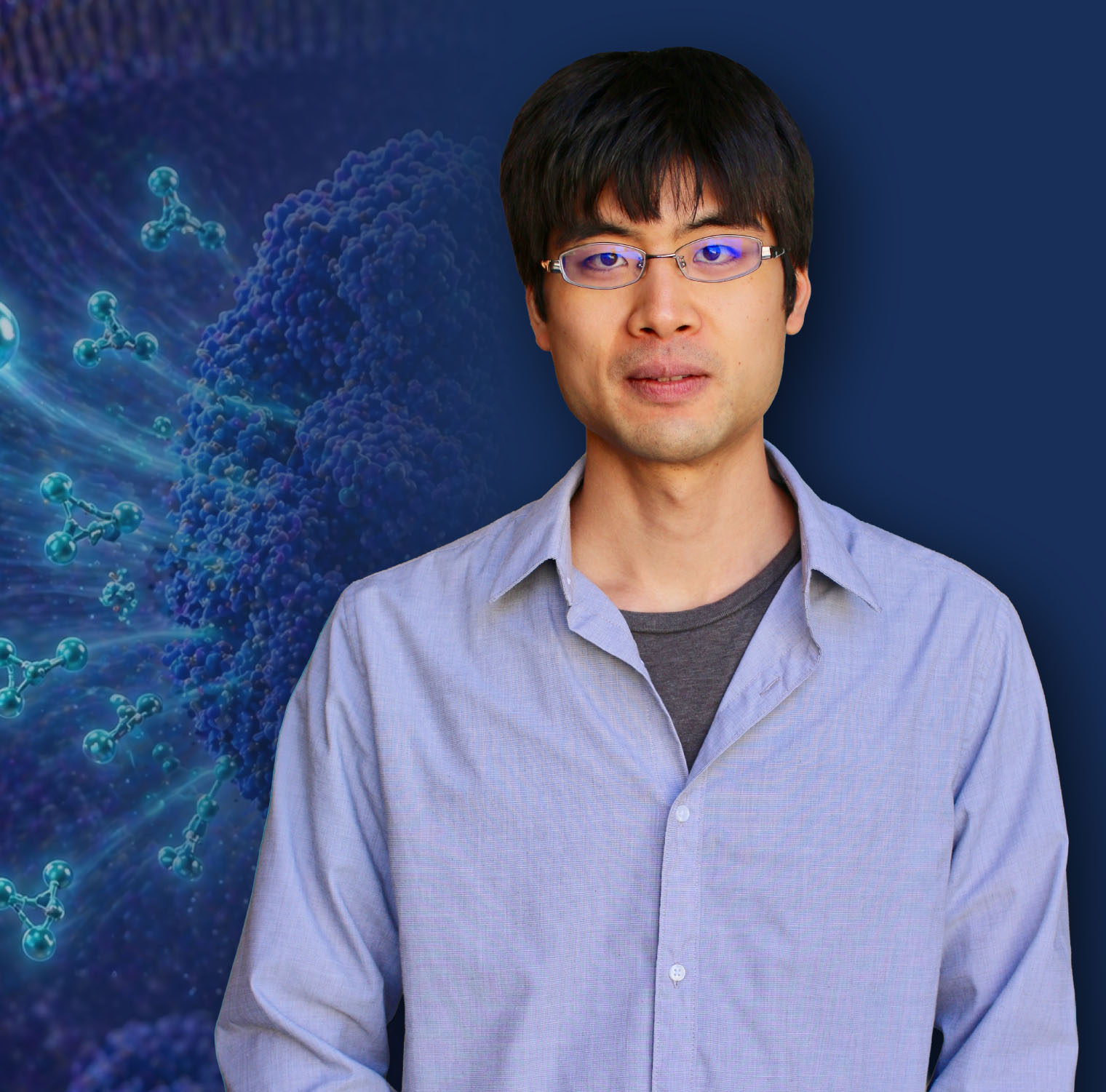 Seiya Kitamura, Ph.D., is an assistant professor of biochemistry at Einstein.
For many things in life, moderation is the key to success. That certainly applies to soluble epoxide hydrolase (sEH), an enzyme that maintains a healthy balance between inflammatory and anti-inflammatory signals in cells.
Researchers don’t know what triggers too much sEH—perhaps genetic anomalies or unhealthy diets or some combination of the two. What is clear is that excess levels of this enzyme take the brakes off inflammation, increasing the risk for metabolic diseases such as obesity and diabetes as well as a wide variety of other diseases.
The search for effective sEH inhibitors began in the 1970s and remains an active area of research. Now, a strategy being developed by medicinal chemist Seiya Kitamura, Ph.D., assistant professor of biochemistry at Einstein, could lead to the desired solution for excess sEH levels. His research is being supported by a grant from the Einstein Acceleration Fund.
Dr. Kitamura’s mentor, the late Bruce Hammock of the University of California, Davis, was one of the co-discoverers of potent, stable, soluble sEH inhibitors in the late 1990s. “They were effective against many animal models of diseases, such as neuropathic pain, hypertension, and Alzheimer’s—but, unfortunately, not against diet-induced type 2 diabetes,” Dr. Kitamura says. “A major problem is that they only temporarily blocked the enzyme’s function. The sEH enzyme levels are extremely high in the livers of people with type 2 diabetes, which makes it difficult for inhibitors to block sEH function, causing the disease to progress.”
Dr. Kitamura recently devised a way to create small molecules that work by degrading, rather than inhibiting, the enzyme. They’re proving to be more powerful, more precise, and longer-lasting than existing sEH-inhibiting compounds.
Initial tests in cell cultures show that Dr. Kitamura’s sEH degraders outperform sEH inhibitors in every way. Animal testing has been even more encouraging. In tests on mice fed a high-fat diet, the small molecules effectively degraded sEH in liver tissue and brown fat, helping slow the progression of type 2 diabetes. And the molecule significantly improved blood sugar regulation compared with that in untreated mice.
Dr. Kitamura’s effective sEH degraders could potentially help against many other health problems fueled by inflammation, including neuropathic pain, chronic obstructive pulmonary disease, inflammatory bowel disease, and neurological disorders such as Alzheimer’s and Parkinson’s.