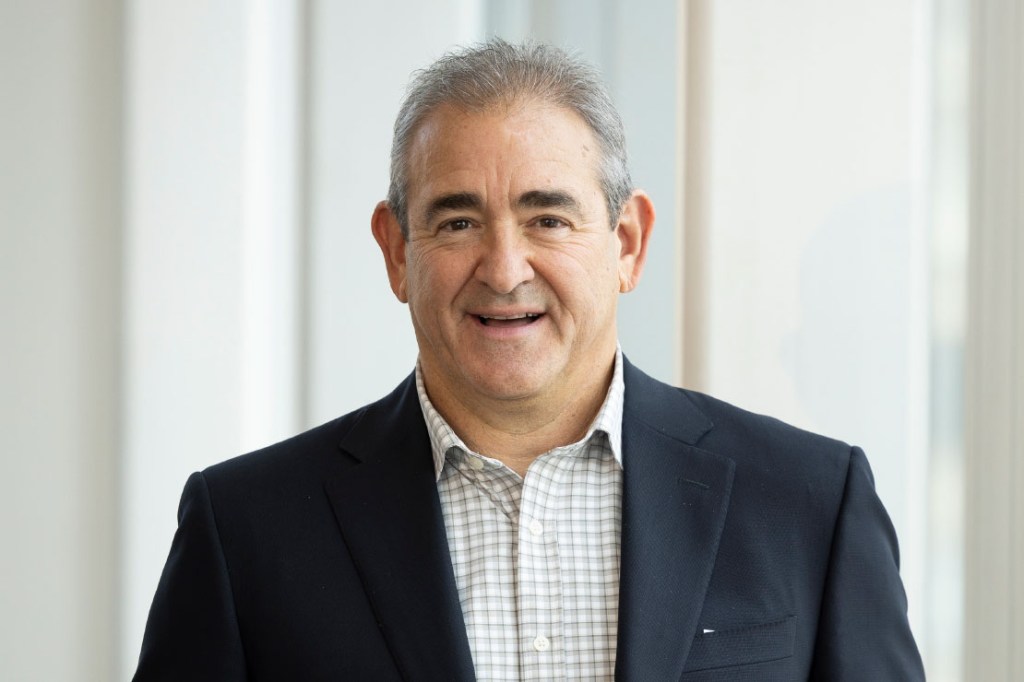
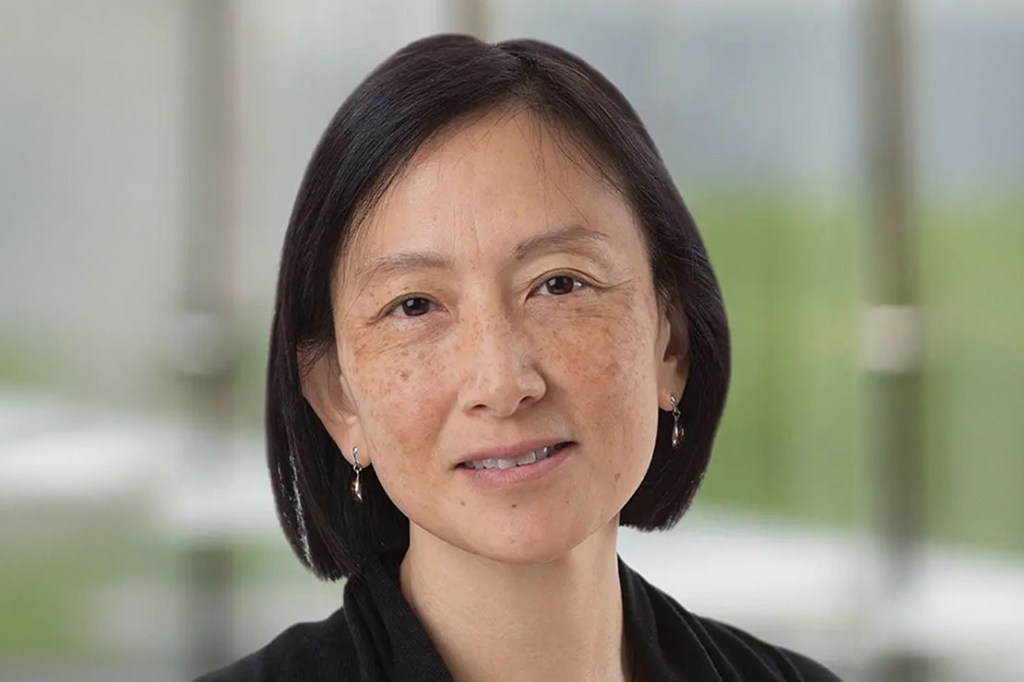
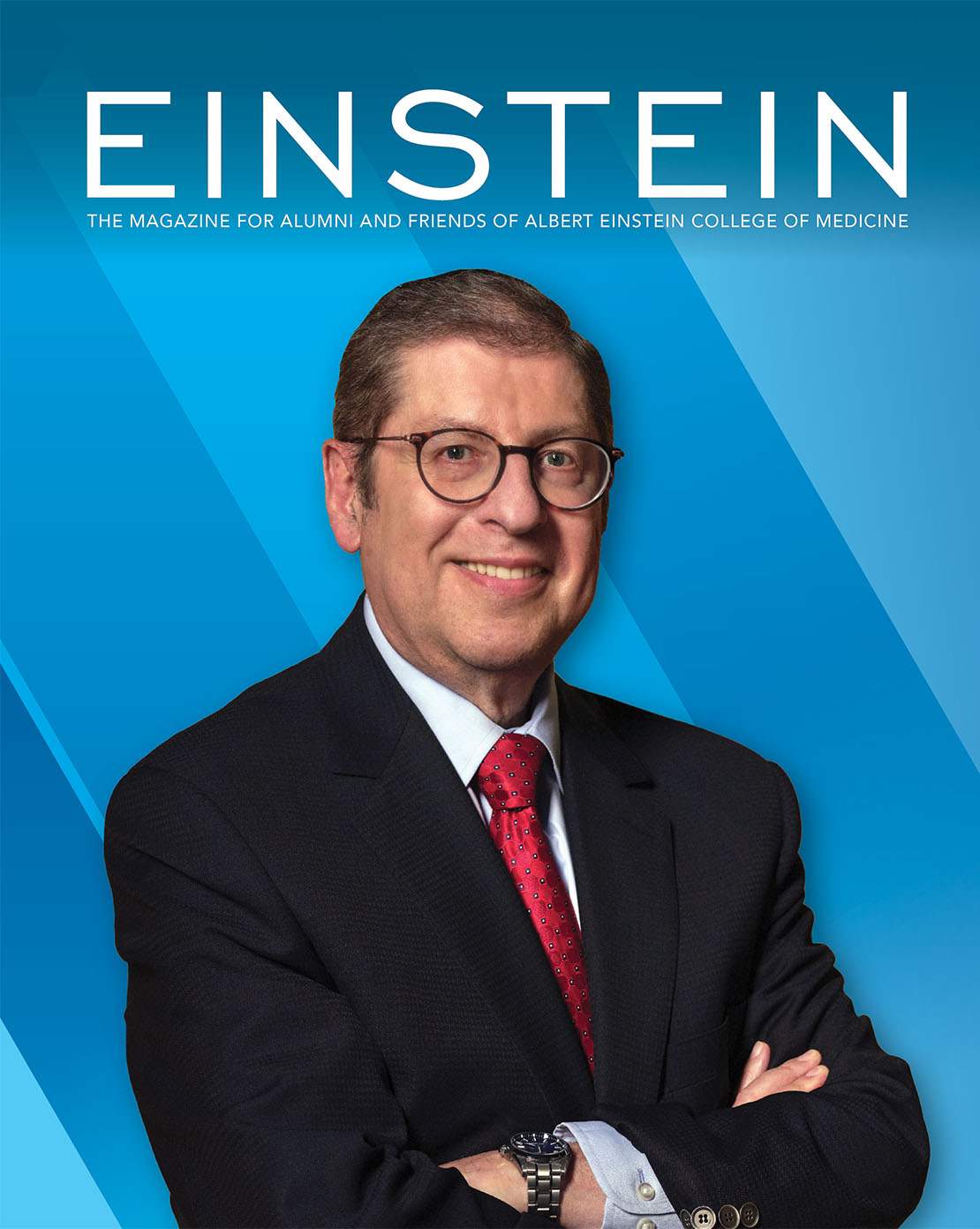
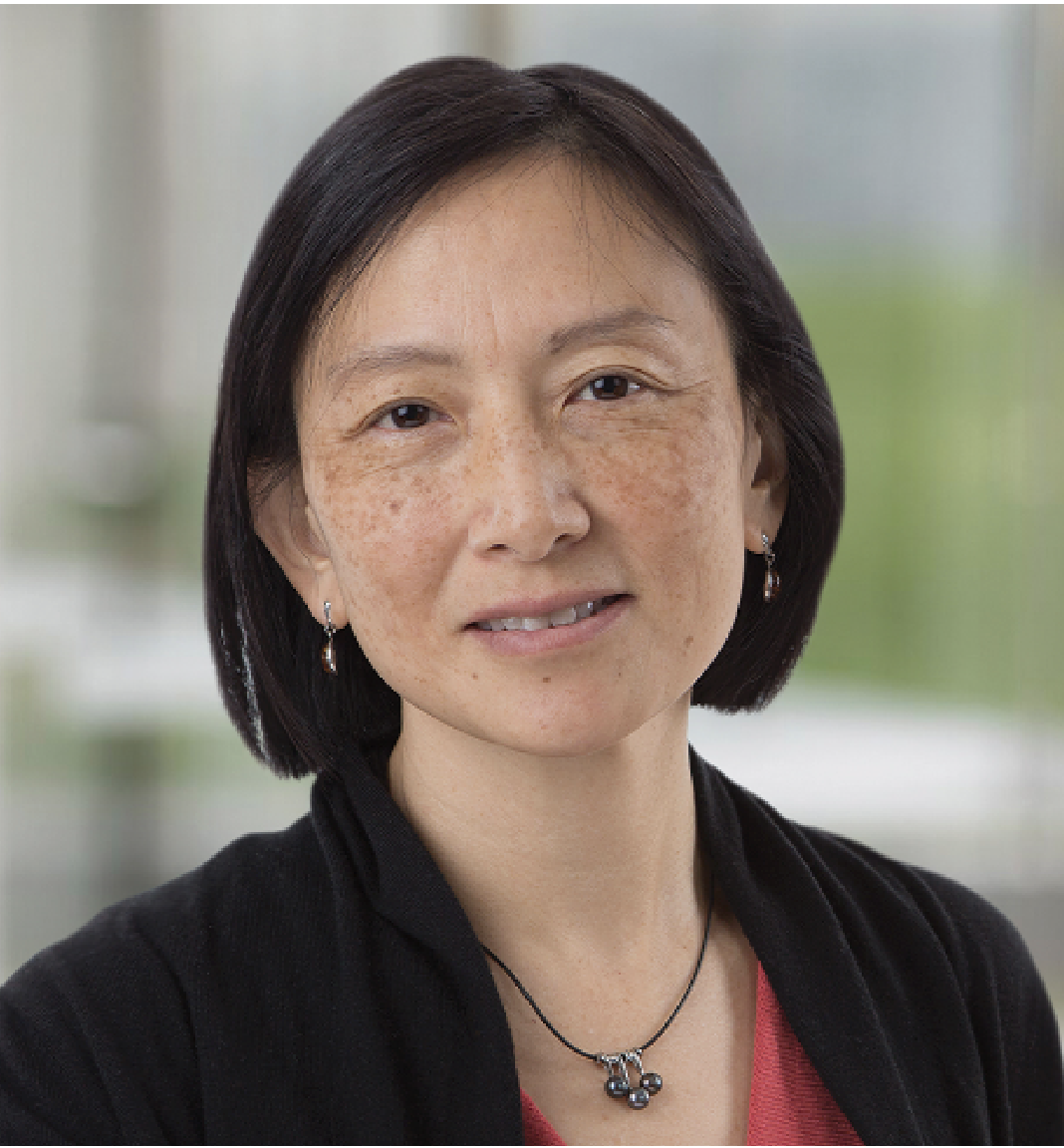
 Michelle Ng Gong, M.D., M.S.
After receiving a degree in bioengineering from the University of Pennsylvania, Dr. Gong went on to earn a medical degree at the Yale University School of Medicine. Following her residency in internal medicine at Beth Israel Hospital in Boston, she completed a clinical and research fellowship in Harvard’s combined program in pulmonary and critical care medicine. While an instructor at Harvard Medical School, she earned her master’s degree in epidemiology from the Harvard School of Public Health. She joined the faculty at Mount Sinai School of Medicine in 2004 before being recruited to Montefiore Einstein as director of research in the department of medicine’s critical care division in 2009.
In 2019, Dr. Gong was appointed chief of the division of critical care medicine and, a year later, also assumed leadership of the department’s division of pulmonary medicine. In May 2025 she became interim chair of the department of medicine and, after a comprehensive national search, was appointed the chair in March 2026. She is also a professor of medicine and of epidemiology & population health at Einstein.
It is the opportunity to do more for Montefiore Einstein and the department. I see so many possibilities for synergizing the science and the research that we do to push the envelope in improving patient outcomes. I’m particularly interested in delivering tailored, data-driven treatment by advancing our learning health system, where outcomes from the research inspired by our community feed directly back into improving patient care. And then instilling the next generation of physicians with that same passion.
I’ve always had an engineering mindset, which is oriented to problem-solving. And what inspires my research is the question “How can we make things work better?”
—Dr. Michelle Ng Gong
Einstein and Montefiore have always excelled in population health research. We’ve reached the point where we now have the data-science tools to maximize the use of that valuable information. Our patient population comes from across the globe and is one of the most varied that you’ll find anywhere. We have this unique opportunity to show the world how it can be done: how we can meet the needs of our community while enhancing our world-renowned department of medicine and hospital system. How could you not be excited?
I’m always trying to figure out how we can have the biggest impact on a population. Traditionally, critical care focused on how to make patients better when they present as critically ill in the intensive care unit. To me, it was just as interesting to understand why some patients get sicker while others don’t, and what we can do to prevent deteriorations and complications.
It’s naïve for us to think that if you find exactly the right medication, everything will be fine. That’s not how it works. Patients are at the center of a healthcare system that involves a whole team of different providers. The question that drives me is: “How do we ensure that everything we do, the whole system, functions in a way that generates the best outcomes?”
I’ve always had an engineering mindset, which is oriented to problem-solving. And what inspires my research is the question “How can we make things work better?” In many ways, that way of thinking informed my choice of career. Critical care is very numbers based; it involves a lot of electronic data as well as physiology and equipment. My research focuses on how to use all that to improve patient outcomes and create an infrastructure that others can use to build their own research programs to answer more questions.
I’m most proud of what we’ve been able to accomplish through team science. Leveraging the talents of multiple people to find an answer is not only more gratifying, but often much more impactful, than any one idea examined by one person. We saw that approach come to fruition during the COVID-19 pandemic, when we needed answers quickly about what could help or harm our patients. Through national and international collaborations, we identified potential treatments, tested them in clinical trials, and brought the most-effective treatments to our patients’ bedsides—all in an extremely short time.
Another highlight for me is the use of artificial intelligence to glean insight from the tens of thousands of health records to predict which patients are a high risk for life-threatening complications. As a result of that research, I’ve also created an infrastructure that my mentees and other young investigators can leverage to do the research they want to do. That is probably one of the most gratifying aspects of my work.
I am an immigrant. I came to the U.S. from Hong Kong when I was about 7 years old, not speaking any English. I wound up going to the Bronx High School of Science, which is within walking distance of Montefiore. That’s where I got my start doing research and acquired my love for science. When we first came to this country, my mother, who trained in England as a nurse midwife, worked in a textile factory for a few years until she got her nursing license here. My brother and I became the first physicians in the family.
Whatever clinical care that I am proud of, or research that I find gratifying, it’s the nature of science and medicine that things will be different in 10 or 20 years. One of our responsibilities in academic medicine is to train people so that they can do the right thing decades from now. That kind of forward thinking is essential not only for our medical school and health systems, but also for medicine itself to be well positioned for the future. Working at the national and international levels allows me to participate in that planning and execution of vision. To me, that’s the definition of leadership.
My family consists of my husband, a science teacher with a doctorate in civil engineering, and my two sons, who are also engineers. They tease me that I only have one engineering degree, while they have or will have multiple ones. I also have a dog, Jasper, who loves to go on runs with me through Central Park. I’m passionate about finding ways to be active with family and friends: exercising, hiking, skiing, and exploring new trails—anything that pulls me away from the computer and into nature.